

In the coal-handling systems of thermal power plants, raw coal bunkers and chutes serve as critical structures for material transfer. These components are subjected to continuous impact and friction from raw coal; furthermore, the presence of coal dust—which poses a risk of combustion or explosion—necessitates lining materials that offer both high wear resistance and flame retardancy. Traditional steel linings are prone to wear and corrosion, requiring frequent replacement and maintenance, while standard plastic liners often fail to meet fire safety standards, thereby hindering the stable operation of coal-handling systems. Flame-retardant ultra-high molecular weight polyethylene (UHMWPE) sheets, however, leverage the material's inherent self-lubricating and impact-resistant properties, combined with a modified flame-retardant formulation, to effectively address the demanding operating conditions of raw coal bunkers and chutes.
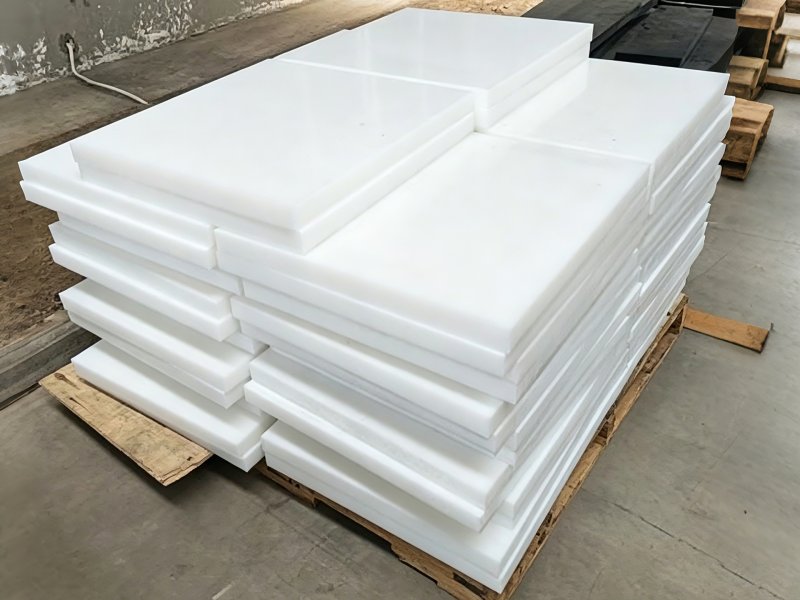
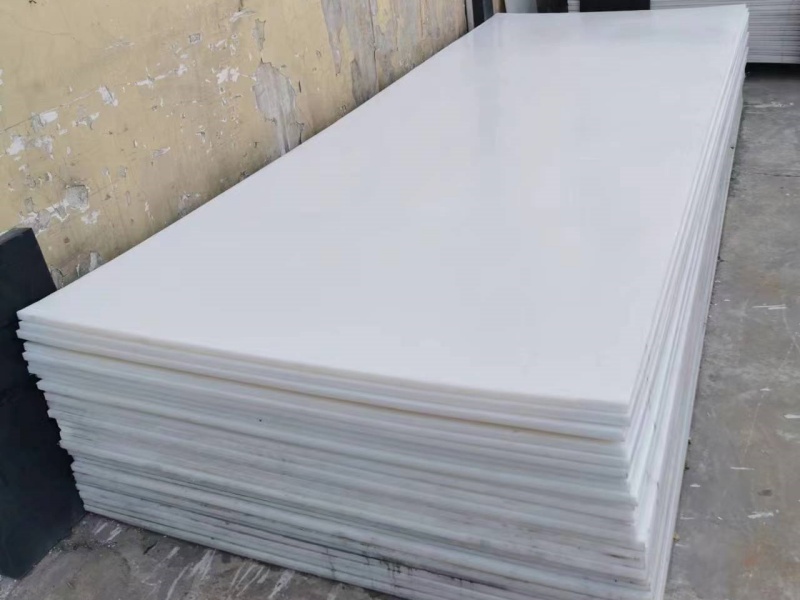
Flame-retardant UHMWPE sheets feature a low coefficient of friction, which prevents raw coal from adhering to walls or causing blockages. This minimizes material accumulation and reduces the labor intensity required for bunker cleaning. Their exceptional impact resistance allows them to withstand the force of falling coal lumps without cracking or detaching, significantly extending the service life of the lining.
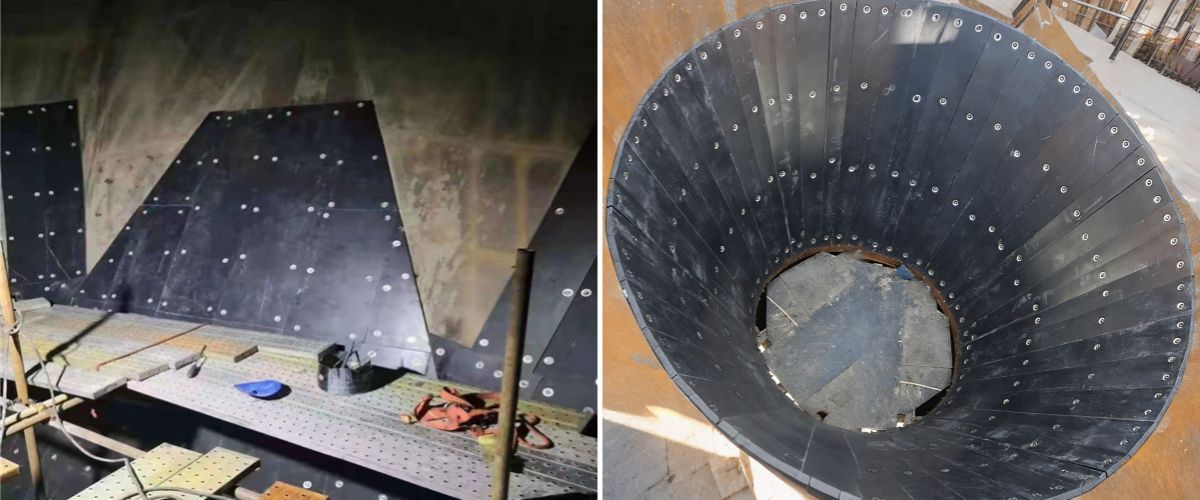
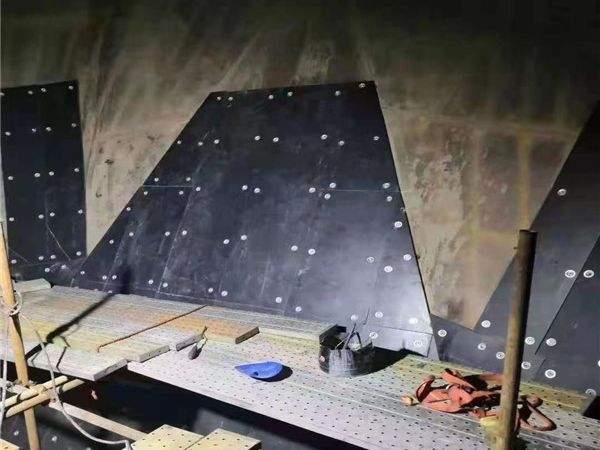
Regarding fire safety, these modified sheets comply with relevant flame-retardancy standards for thermal power facilities. They do not readily sustain combustion when exposed to an open flame, helping to inhibit the spread of fire and mitigate safety risks in environments where coal dust is present. The sheets are lightweight and easy to install on-site; they can be secured using bolts and are adaptable to the curved surfaces of bunkers and chutes, requiring minimal modification to existing civil structures during installation.
In practical application, the layout of the flame-retardant UHMWPE sheets should be determined based on factors such as bunker dimensions, coal particle size, and the height of the material drop. Proper attention must be paid to sealing joints and protecting fasteners to prevent localized loosening caused by material erosion. During operation and maintenance, the sheets should be inspected regularly for wear or aging, with damaged sections replaced promptly to ensure the continuous, reliable operation of the coal-handling system.
Compared to traditional lining materials, flame-retardant UHMWPE sheets offer a combination of wear resistance, anti-clogging properties, and flame retardancy. They effectively meet the safety and operational requirements for raw coal bunkers and chutes in thermal power plants, providing a dependable lining solution for the long-term, stable operation of coal-handling systems.
This article was compiled and edited by Henan Jinhang Engineering Plastics Co., Ltd. (www.upeplastic.cn); editor in charge: Jinhang. The company specializes in the R&D and production of flame-retardant ultra-high molecular weight polyethylene (UHMWPE) sheets. You are welcome to reprint this content, provided that the source is cited.




 Sheets in the Retrofitting of Raw Coal Bunker Chute Linings") Application of Flame-Retardant Ultra-High Molecular Weight Polyethylene (UHMWPE) Sheets in the Retrofitting of Raw Coal Bunker Chute Linings
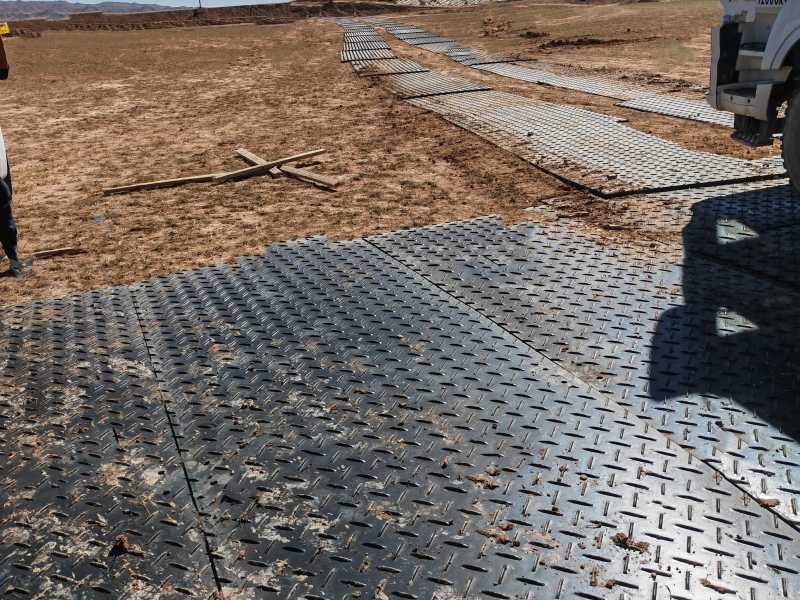
 Overcoming Access Challenges on Soft-Soil Construction Sites: Polyethylene Road Mats Facilitate the Creation of Temporary Pathways
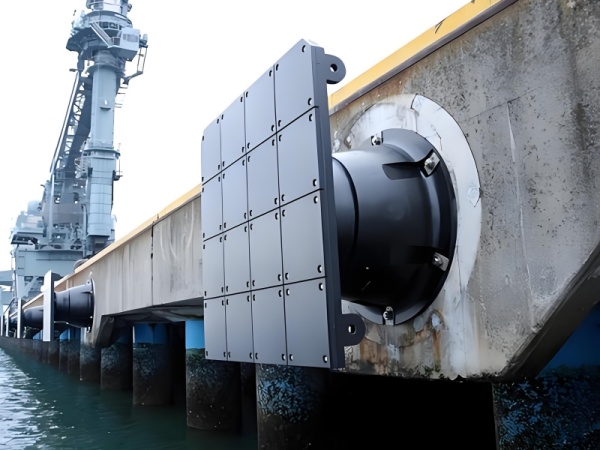
 Playing a supporting yet indispensable role: How fender facing pads extend the service life of protection systems
 liners alleviate coal bridging and clogging issues in power plant pulverized coal bunkers") Ultra-high molecular weight polyethylene (UHMWPE) liners alleviate coal bridging and clogging issues in power plant pulverized coal bunkers
 Say goodbye to getting stuck in the mud: polyethylene temporary ground protection mats create flexible, makeshift access paths
 Addressing Material Adhesion and Clogging in Raw Coal Bunkers: Improving Discharge Conditions with Wear-Resistant Polymer Liners
Chat Online