

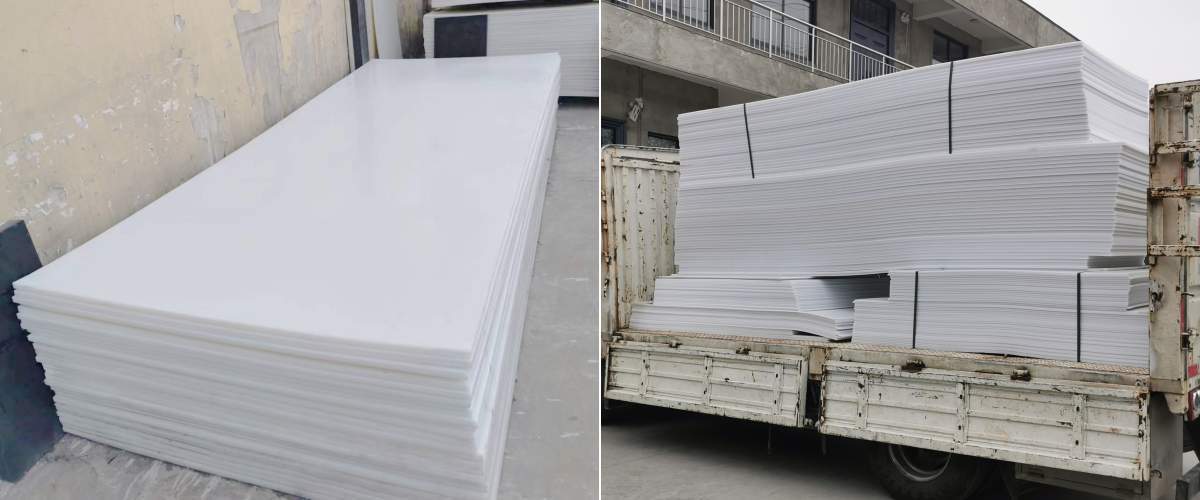
During long-term operation, fine pulverized coal in power plant silos tends to adhere to the silo walls, leading to "bridging" or "arching"—phenomena that disrupt the continuous flow of coal. Lining these silos with Ultra-High Molecular Weight Polyethylene (UHMWPE) can modify the interface at the silo wall, effectively mitigating such operational challenges. Traditional steel plates, characterized by a high coefficient of friction, are particularly prone to material accumulation when exposed to damp pulverized coal; therefore, the selection of lining material is a critical factor directly influencing the discharge efficiency of the silo.
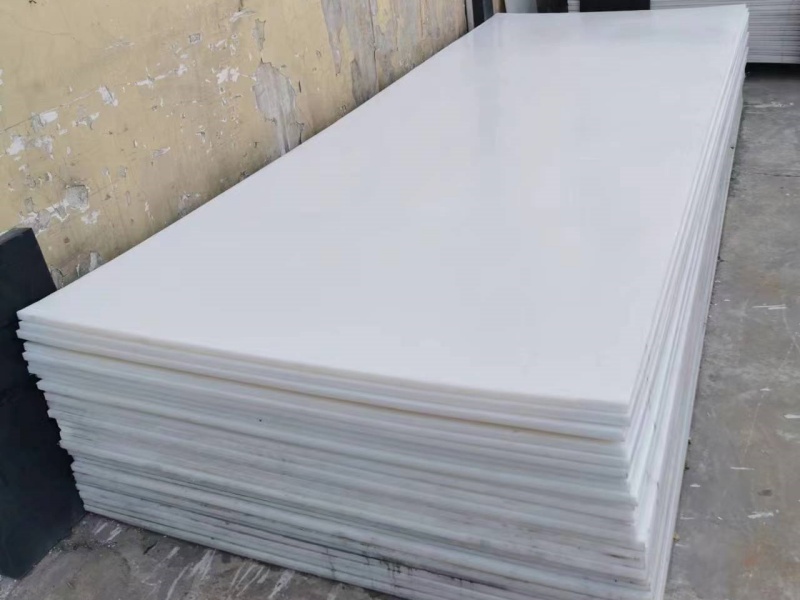
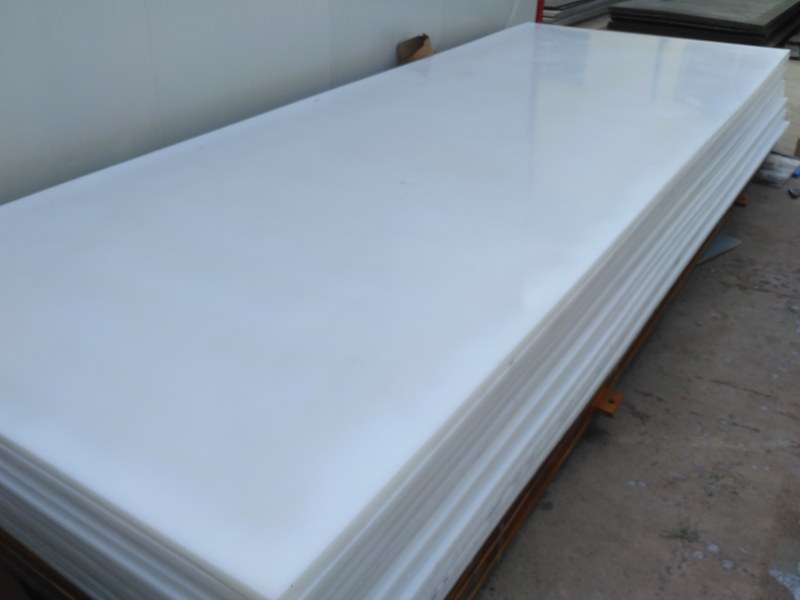
UHMWPE liners offer low friction, self-lubricating properties, and minimal water absorption. Pulverized coal that comes into contact with the surface does not easily adhere, allowing it to slide downward smoothly under its own weight—a technical improvement strategy for preventing blockages in power plant coal silos. Given that the continuous flow of pulverized coal causes constant erosion against the silo walls, the lining material must possess high wear resistance. UHMWPE liners exhibit excellent erosion resistance, maintaining a smooth surface over the long term and reducing the need for frequent activation of auxiliary flow-promotion equipment, such as air cannons or vibrators.
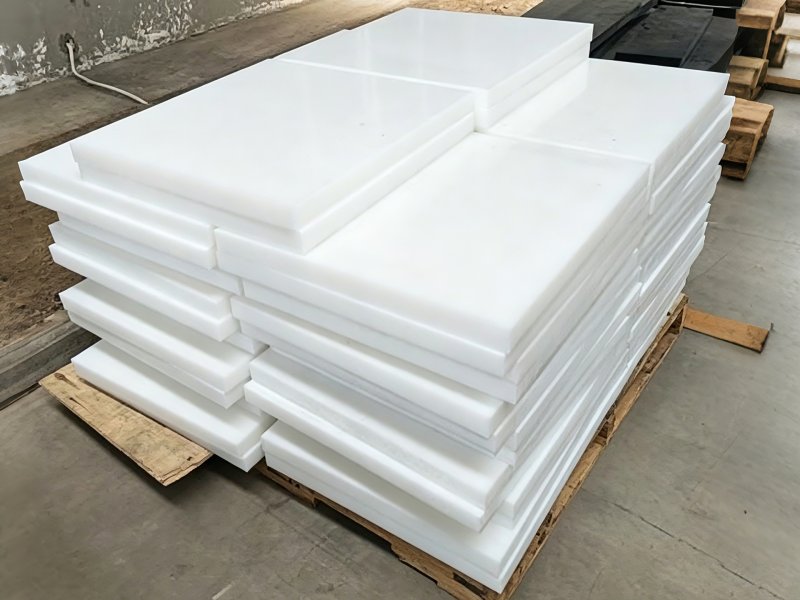
When used in enclosed coal silos, UHMWPE liners can be specified in anti-static, modified versions to meet dust explosion-proof requirements, thereby eliminating the risk of static electricity generation caused by friction between the coal particles and the liner. During installation, it is essential to ensure proper fastening and sealing of the joints to prevent material from accumulating in the gaps, which could otherwise compromise performance. Furthermore, the use of UHMWPE liners reduces the need for personnel to enter the silos for manual clearing, thereby lowering safety risks associated with working in confined spaces.
The core benefit of applying UHMWPE liners lies in optimizing the flow conditions of the pulverized material through the inherent properties of the plastic. By carefully planning the installation based on the specific coal quality and the structural design of the silo, the advantages of the material can be fully realized—minimizing bridging and blockages, and ensuring the continuous, stable operation of the coal-handling process in power plants.
This article was compiled and edited by Henan Jinhang Engineering Plastics Co., Ltd. (www.upeplastic.cn). Responsible Editor: Jinhang. The company specializes in the R&D and production of UHMWPE liners. Reproduction is permitted, provided the source is cited.




 liners alleviate coal bridging and clogging issues in power plant pulverized coal bunkers") Ultra-high molecular weight polyethylene (UHMWPE) liners alleviate coal bridging and clogging issues in power plant pulverized coal bunkers
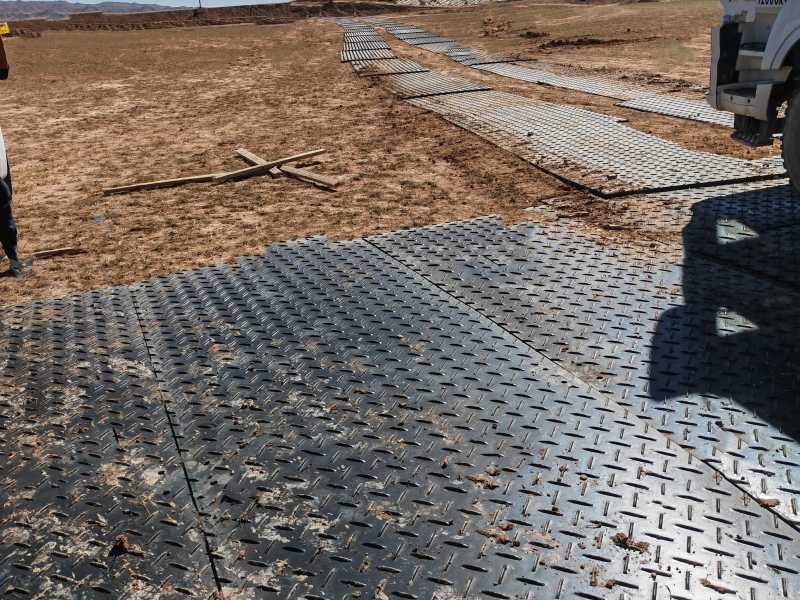
 Say goodbye to getting stuck in the mud: polyethylene temporary ground protection mats create flexible, makeshift access paths
 Addressing Material Adhesion and Clogging in Raw Coal Bunkers: Improving Discharge Conditions with Wear-Resistant Polymer Liners
 Safeguarding Dock Berths: Polyethylene Fender Facing Panels Build a Robust Buffer Defense for Vessel Berthing
 Low-smoke, self-extinguishing, and flame-retardant UHMWPE liners address critical safety gaps in material handling
 Non-stick and impact-resistant: Polymer wear-resistant liners emerge as the preferred material for industrial and mining linings
Chat Online