

What kind of liner should be used to prevent material blockage in coal bunkers? Blockage is a common issue in sectors such as coal storage and transport, thermal power generation, coking, and coal washing. It not only hampers loading efficiency but also necessitates more frequent bunker-clearing operations, introducing uncertainty into continuous production. To minimize the risk of blockage, the choice of lining material must prioritize ensuring smooth coal flow.
The function of a coal bunker liner goes beyond merely "installing a layer of board"; it involves modifying the surface condition of the bunker wall to reduce frictional resistance between the material and the wall. During storage and discharge, coal is susceptible to factors such as moisture content, particle size, adhesiveness, and the angle of repose. If the bunker wall surface is rough or has high friction, coal dust and wet coal tend to adhere to it; over time, this can lead to wall buildup, bridging, and localized blockages.
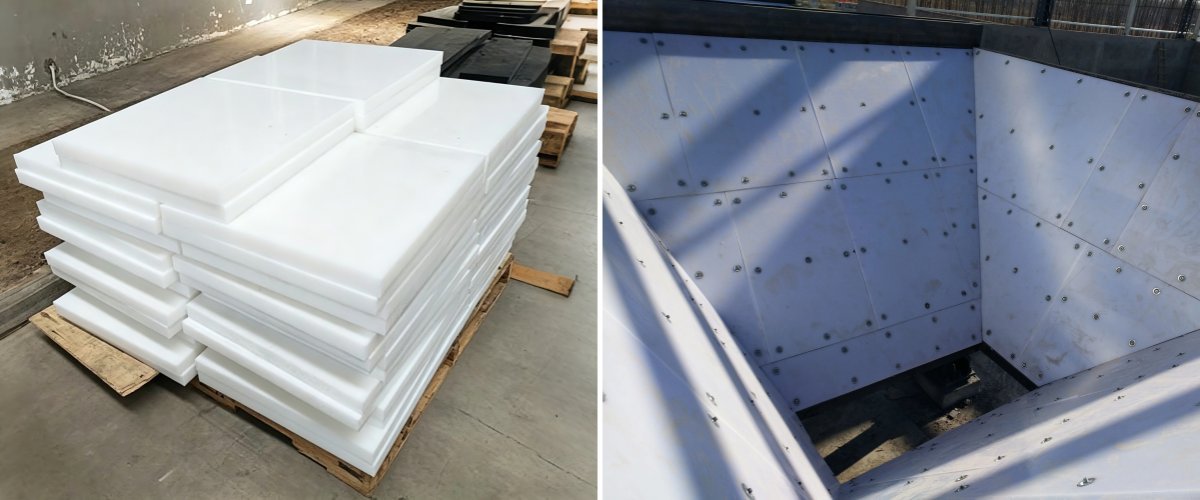
Therefore, coal bunker liners require excellent surface smoothness. The flatter the surface and the lower the frictional resistance, the more easily the material slides down the bunker wall. Ultra-high molecular weight polyethylene (UHMW-PE) liners are frequently used for this purpose, primarily due to their low surface friction coefficient and superior wear resistance at ambient temperatures. For areas subject to constant erosion from coal flow—such as bunker walls, discharge outlets, and conical hoppers—this material helps mitigate surface roughening caused by wear.
Regarding the choice of liner: practical application requires a comprehensive assessment of factors such as the bunker structure, discharge angle, coal moisture content, impact intensity, and installation method. For instance, areas near discharge outlets experience high impact, so the liner must offer robust impact resistance; conversely, if the bunker has a shallow taper or the material has high moisture content, material smoothness alone may not suffice to prevent blockages, necessitating structural optimization as well.
This article was compiled and edited by Henan Jinhang Engineering Plastics Co., Ltd. (www.upeplastic.cn); responsible editor: Jinhang. The company specializes in the R&D and production of coal bunker liners. Reprints are welcome, provided the source is cited.




 Low-smoke, self-extinguishing, and flame-retardant UHMWPE liners address critical safety gaps in material handling
 Non-stick and impact-resistant: Polymer wear-resistant liners emerge as the preferred material for industrial and mining linings
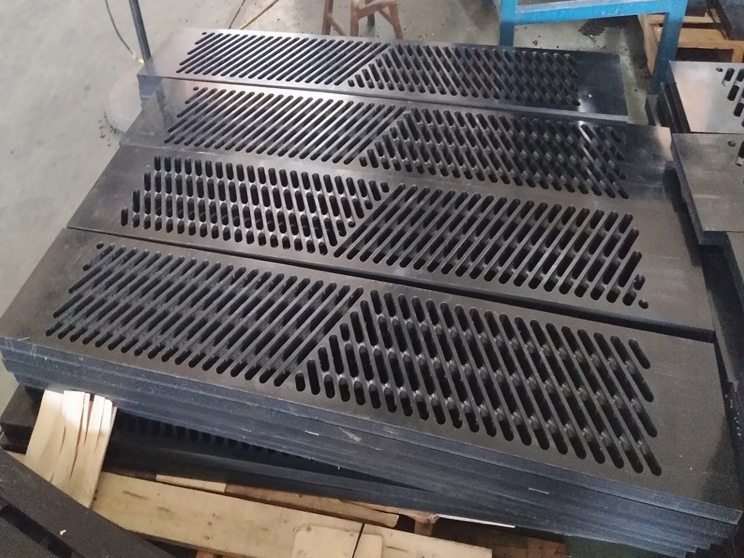
 Vacuum box panel: Sliding support component for vacuum belt dewatering machines
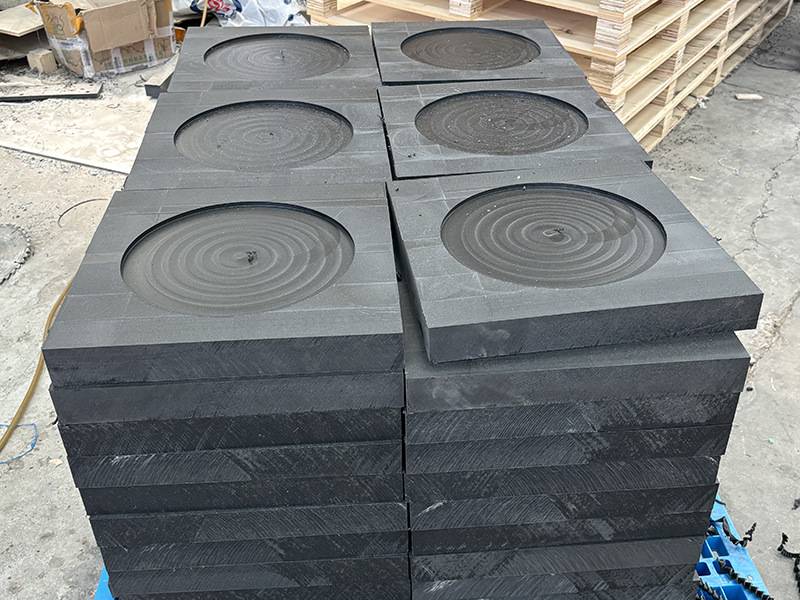
 Polyethylene Outrigger Pads: Reliable Stability for Truck-Mounted Cranes on the Job
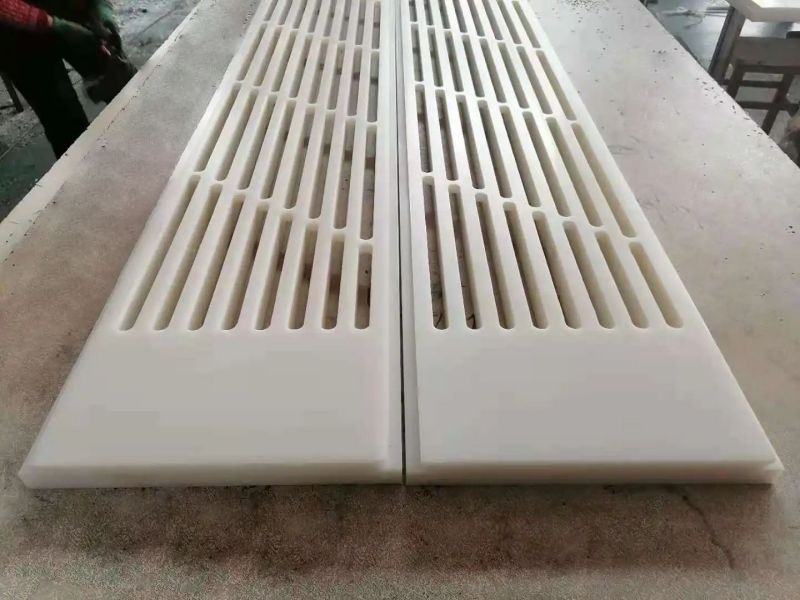
 Polyethylene Vacuum Box Covers for Paper Machines – Wear-Resistant, Energy-Saving Dewatering Components
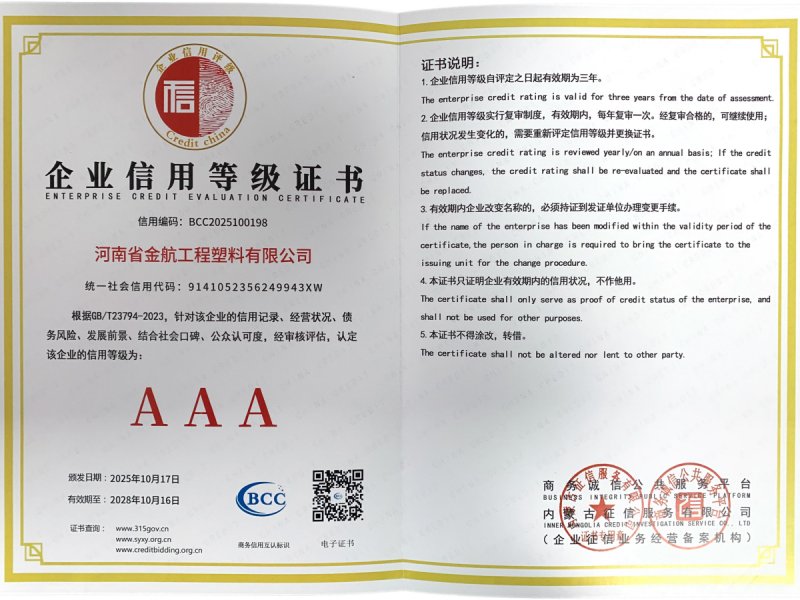
 How many machinery manufacturers have been harmed by "one-size-fits-all" UPE sheet specifications? Henan Jinhang offers AAA-certified, custom-engineered solutions tailored to your specific operating conditions
Chat Online