


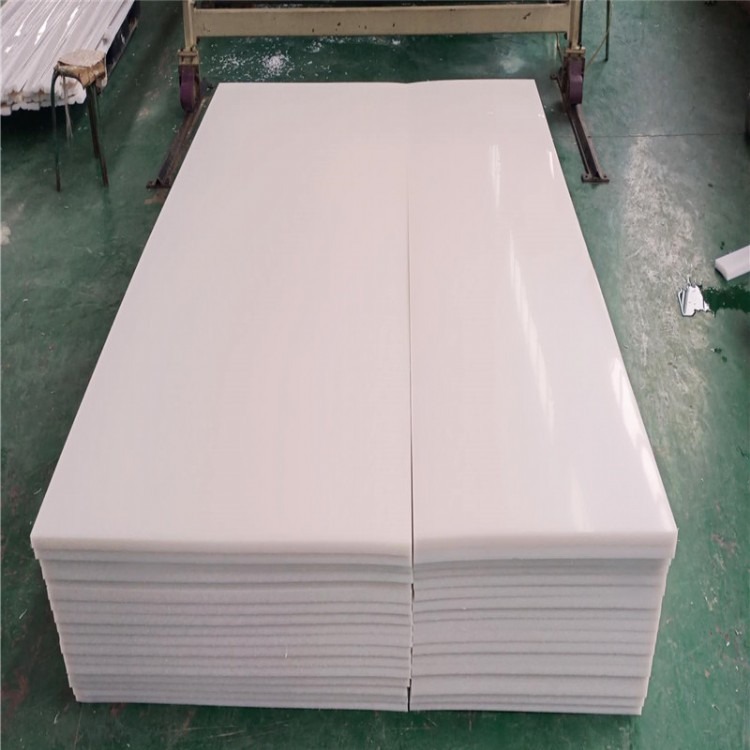
Among the wide variety of kitchen cutting boards, polyethylene plastic cutting boards have become a popular choice for many families and catering professionals due to their unique advantages. With their safe and practical characteristics, polyethylene plastic cutting boards help build a healthy defense for your diet.
Compared to traditional wooden cutting boards, polyethylene plastic cutting boards are more aesthetically pleasing and easier to clean. Wooden cutting boards, due to their rough surface texture, easily trap food residue and bacteria, while polyethylene plastic cutting boards have a clear advantage in hygiene. Their surface is less prone to cracks and grooves, making it easier to remove food scraps and clean them.
In terms of durability, polyethylene plastic cutting boards also stand out. Wooden cutting boards are prone to cracking and absorbing moisture, while PE plastic cutting boards are more robust and durable, less prone to deformation, and maintain good condition even after long-term use. This allows them to withstand frequent chopping of vegetables and meat in daily use, reducing the hassle of frequent replacements due to damage.
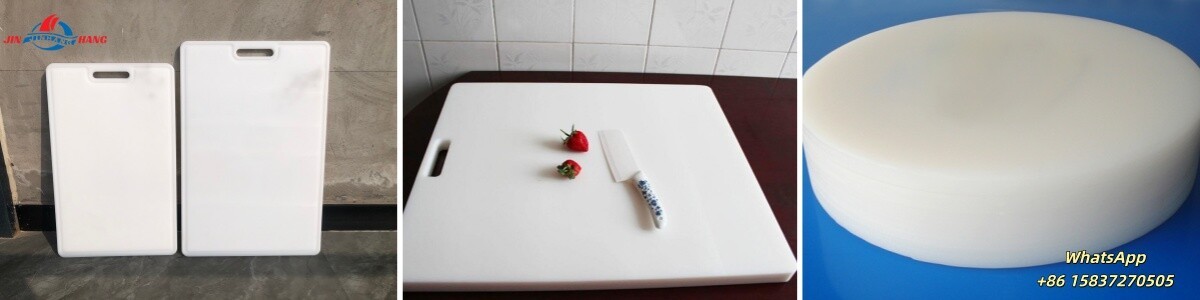
Polyethylene (PE) plastic cutting boards, due to their superior overall performance, are widely used in meat processing, food processing, seafood processing, supermarkets, hotels, and other industries. They are also an ideal choice for home use. Balancing safety, convenience, and cost-effectiveness, PE plastic cutting boards, with their suitability for modern kitchen needs, are becoming a practical partner in safeguarding dietary health.
This article was edited and compiled by Henan Jinhang Engineering Plastics Co., Ltd. (www.upeplastic.cn), with Jinhang as the editor. The company focuses on the research and development and production of polyethylene plastic cutting boards. Reproduction is welcome, please indicate the source.



 How Steel Silos Achieve Smoother Discharge with Polymer Liners
 Upgrading Coal Bunker Linings: Flame-Retardant UPE Sheets Offer Dual Advantages of Wear Resistance and Fire Protection
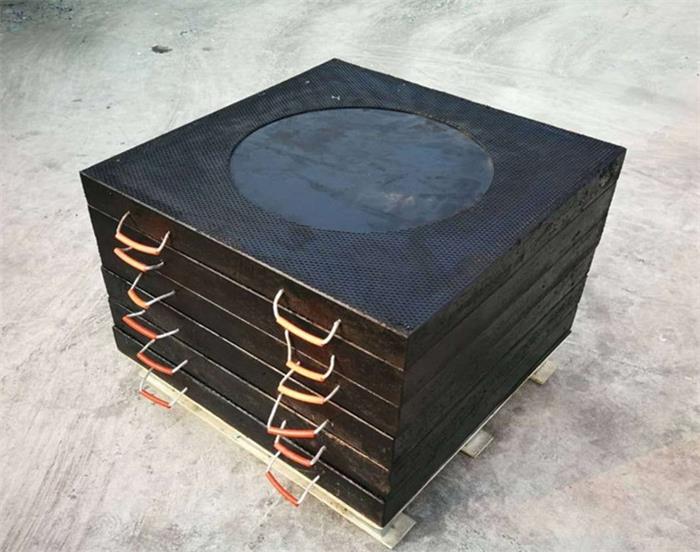
 Polyethylene Outrigger Pad That Can Be Lifted with One Hand Yet Easily Withstand Dozens of Tons of Outrigger Pressure
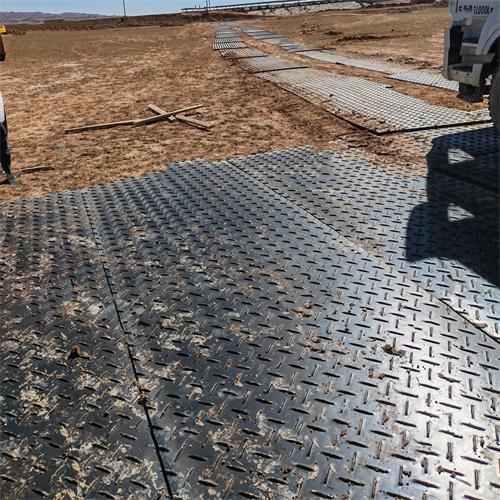
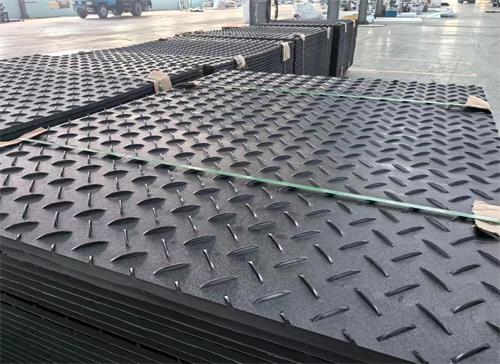
 Lightweight Road Paving Materials on the Rise: PE Road Mats Usher in a Wave of Application
 Solving Temporary Construction Challenges: Polyethylene Road Mats Become a New Choice for Temporary Site Paving
 Ultra-high Molecular Weight Polyethylene Liner Solves the Problem of Material Caking in Industrial and Mining Hoppers with Excellent Wear Resistance
Chat Online