

Persistent common issues at discharge points in thermal power coal handling systems, such as coal blockage and material accumulation, dust spillage, and friction sparks, have a severe impact on plant safety and environmental compliance. The large-scale application of high molecular polyethylene wear-resistant plates offers a novel solution to these operational pain points.
Traditional steel liners have a high coefficient of friction and are prone to material adhesion, causing coal to stick and accumulate during transport, leading to equipment jamming and frequent shutdowns for cleaning. Moreover, the hard impact and friction between coal and steel plates can generate sparks. Coupled with the re-entrainment of dust caused by accumulated material disturbance, these shortcomings have prompted several power plants to retrofit core components such as coal chutes, discharge pipes, and storage hoppers by introducing high molecular polyethylene wear-resistant plates to replace traditional steel liners. This material features a smooth surface and excellent self-lubricating properties, fundamentally preventing coal adhesion and accumulation, thereby effectively resolving coal blockage at discharge points.
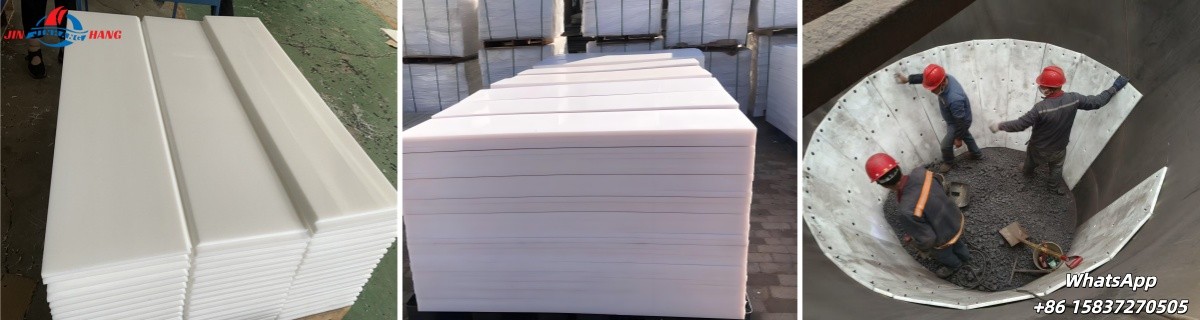
Additionally, the high molecular polyethylene wear-resistant plate is flexible, impact-resistant, and wear-resistant. During material handling, there is no hard mechanical friction, effectively mitigating the safety hazard of friction sparks. At the same time, material flow is uniform and smooth, significantly reducing dust generation and dispersion, thus effectively addressing the issue of excessive dust in coal handling areas.
This article was edited and compiled by Henan Jinhang Engineering Plastics Co., Ltd. (www.upeplastic.cn). Responsible editor: Jinhang. The company specializes in the R&D and production of high molecular polyethylene wear-resistant plates. Reproduction is welcome with attribution to the source.




 Low-smoke, self-extinguishing, and flame-retardant UHMWPE liners address critical safety gaps in material handling
 Non-stick and impact-resistant: Polymer wear-resistant liners emerge as the preferred material for industrial and mining linings
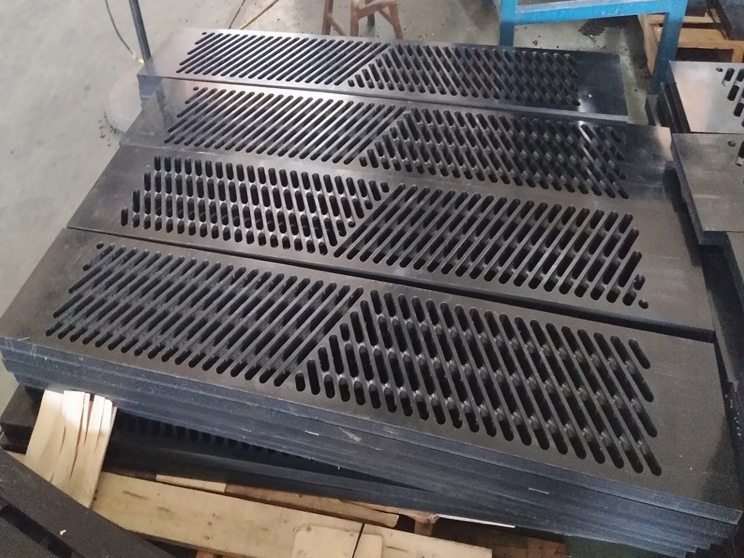
 Vacuum box panel: Sliding support component for vacuum belt dewatering machines
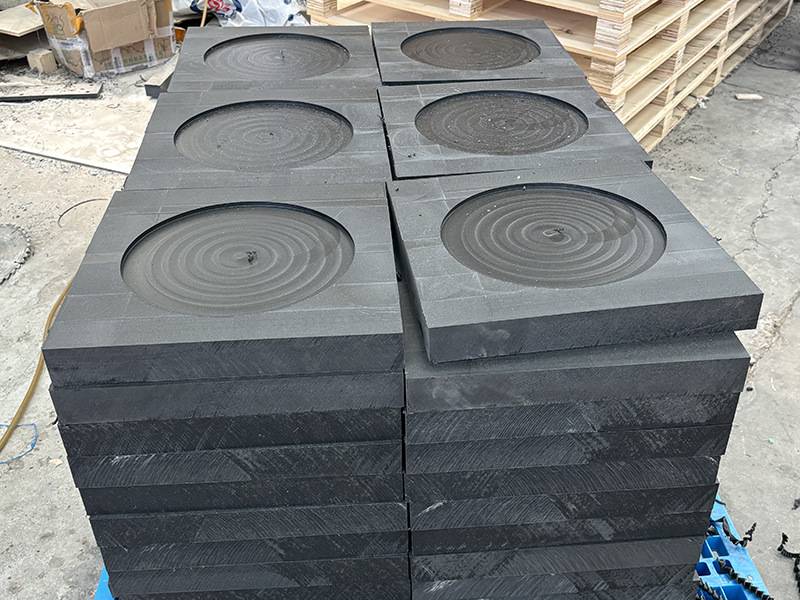
 Polyethylene Outrigger Pads: Reliable Stability for Truck-Mounted Cranes on the Job
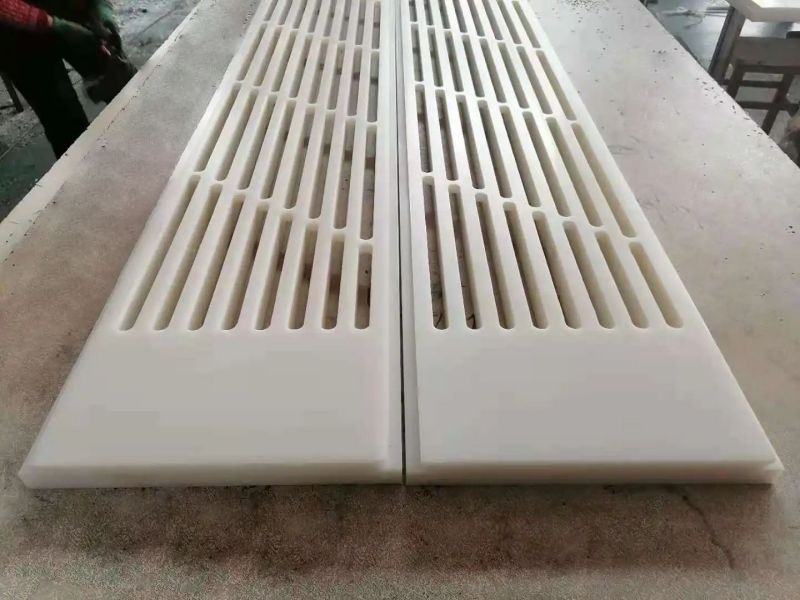
 Polyethylene Vacuum Box Covers for Paper Machines – Wear-Resistant, Energy-Saving Dewatering Components
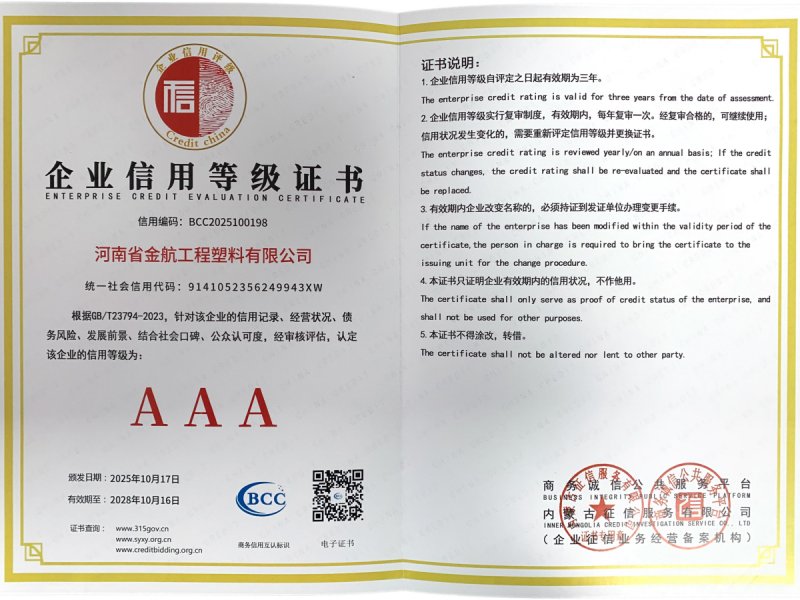
 How many machinery manufacturers have been harmed by "one-size-fits-all" UPE sheet specifications? Henan Jinhang offers AAA-certified, custom-engineered solutions tailored to your specific operating conditions
Chat Online