

Material blockage in raw coal bunkers is a persistent and common challenge for coal mines and power plants. Wet coal dust accumulates on bunker walls, gradually forming "ratholes" or "bridges" that clog discharge outlets and disrupt production. Traditional solutions—such as lining walls with tiles or steel plates—offer limited effectiveness, while manual clearing poses safety risks.
The anti-sticking capability of UPE coal bunker liners stems from the material's inherently low surface energy. Made from Ultra-High Molecular Weight Polyethylene (UHMW-PE), the liner features a friction coefficient of just 0.07; coal dust cannot easily adhere to this smooth surface, preventing buildup on the walls. Additionally, the liner boasts low water absorption, remains unaffected by ambient humidity, and maintains stable physical properties.
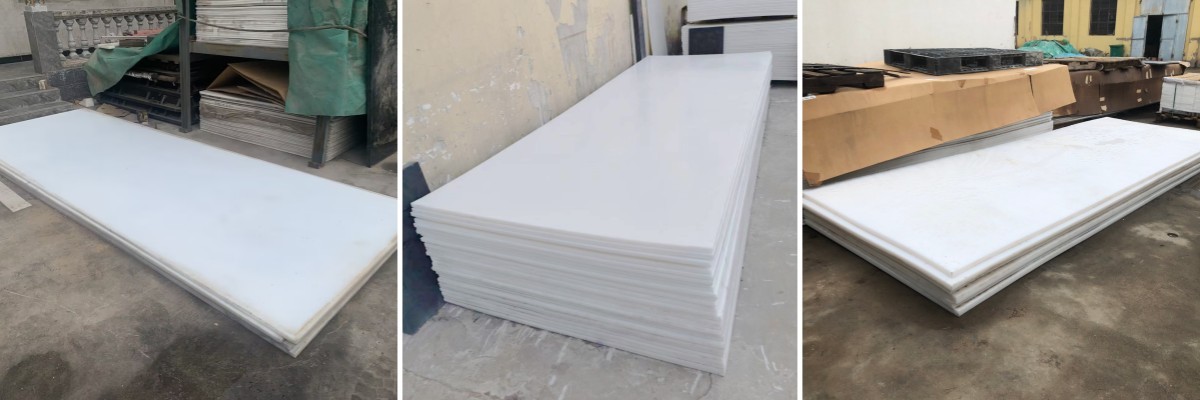
In practice, lining only the conical section and the cylindrical body of the bunker is usually sufficient to alleviate "rathole" and "arching" blockages. Users report that installing UPE liners extends the bunker cleaning interval from once or twice a week to once a month, ensures smooth coal flow, and significantly reduces maintenance requirements. Furthermore, UHMW-PE coal bunker liners offer wear resistance approximately six times that of carbon steel; their long service life effectively lowers cleaning costs and minimizes the risk of operational downtime.
By fundamentally preventing coal dust from adhering to the walls, UPE coal bunker liners provide a practical, effective solution to the problem of bunker blockages. It is clear that UPE liners are the key choice for resolving these persistent clogging issues.
This article was compiled by Henan Jinhang Engineering Plastics Co., Ltd. (www.upeplastic.cn); Managing Editor: Jinhang. The company specializes in the R&D and production of UPE coal bunker liners. Reprints are welcome, provided the source is cited.




 Low-smoke, self-extinguishing, and flame-retardant UHMWPE liners address critical safety gaps in material handling
 Non-stick and impact-resistant: Polymer wear-resistant liners emerge as the preferred material for industrial and mining linings
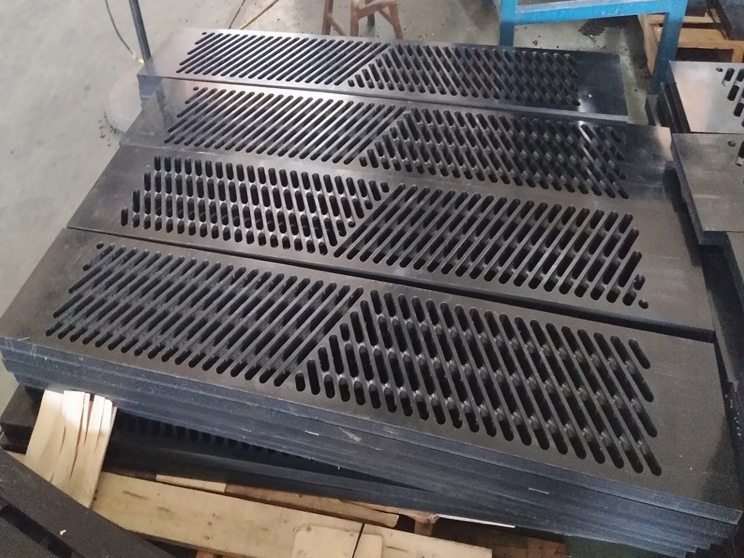
 Vacuum box panel: Sliding support component for vacuum belt dewatering machines
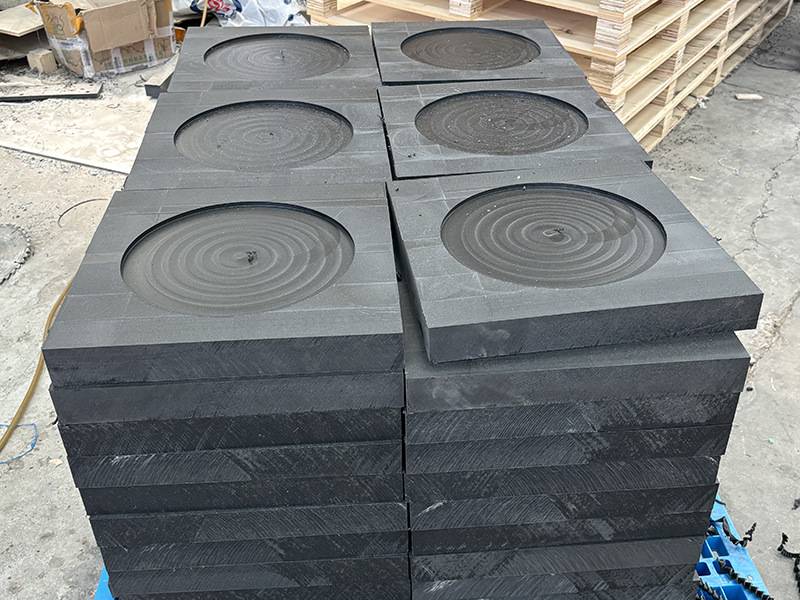
 Polyethylene Outrigger Pads: Reliable Stability for Truck-Mounted Cranes on the Job
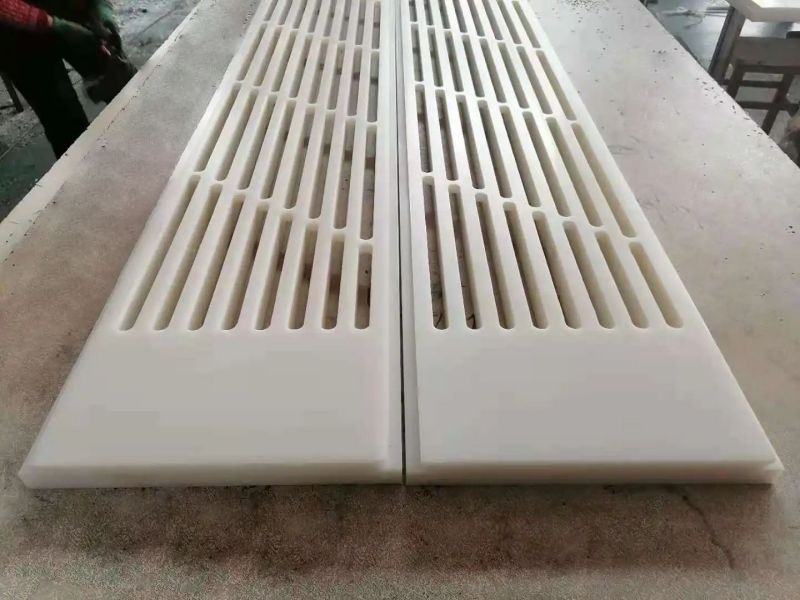
 Polyethylene Vacuum Box Covers for Paper Machines – Wear-Resistant, Energy-Saving Dewatering Components
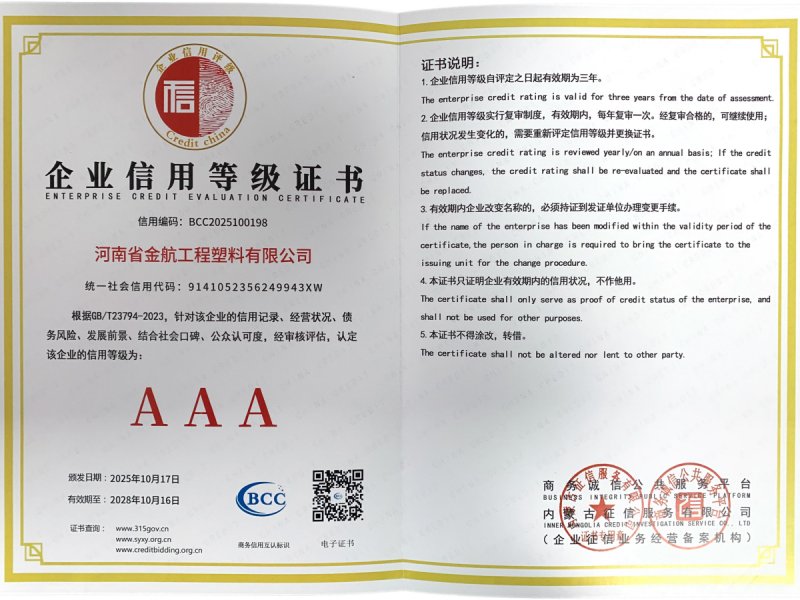
 How many machinery manufacturers have been harmed by "one-size-fits-all" UPE sheet specifications? Henan Jinhang offers AAA-certified, custom-engineered solutions tailored to your specific operating conditions
Chat Online