


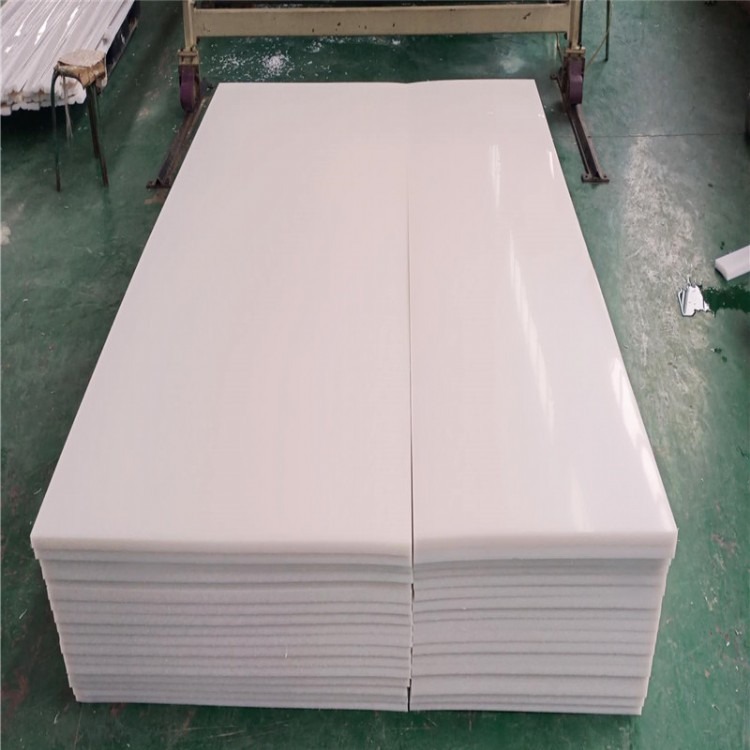
In the field of nuclear radiation protection, boron-containing polyethylene sheets have emerged as a top-performing advanced material for neutron radiation shielding. They offer excellent catalytic activity, minimal corrosiveness to equipment, and cause no environmental pollution during use. This effectively aligns with the dual modern industrial demands for environmental protection and equipment preservation.
Their core advantage lies in superior neutron shielding capability. The boron content within the material plays a strong absorption role. Boron has a high neutron reaction cross-section, meaning it can completely absorb neutrons *before* they interact with hydrogen present in the polyethylene. This process enables comprehensive shielding against neutron radiation, providing reliable safety assurance in nuclear-related scenarios. Furthermore, these sheets exhibit excellent resistance to radiation and aging, maintaining stable performance and ensuring a long service life even under prolonged exposure to radiation.
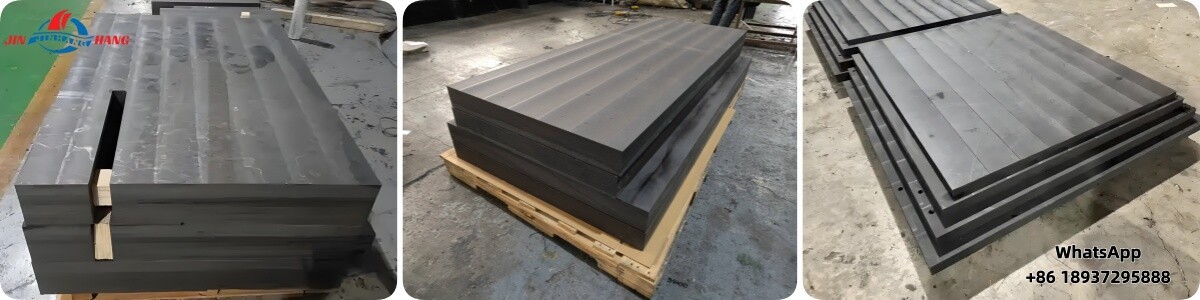
Thanks to these advantages, boron-containing polyethylene sheets see extensive application across various critical fields. They are successfully used in key nuclear industries such as spent fuel racks in nuclear power plants, nuclear-powered vessels, and neutron radiation protection around nuclear reactors. They also play vital roles in research laboratories (e.g., at PetroChina, CAS), medical nuclear product containers, neutron beam collimators, neutron traps, and as materials for nuclear reactor control rods.
Additionally, the boron content in these sheets is highly customizable. Standard boron concentrations range from 2% to 50%, and can be flexibly adjusted based on specific customer applications and requirements, ensuring optimal performance for diverse scenarios.
Source: Henan Jinhang Engineering Plastics Co., Ltd. (www.upeplastic.cn). The company specializes in the R&D and production of Boron Polyethylene sheets. Reprinted with permission. Please credit the source.



 How Steel Silos Achieve Smoother Discharge with Polymer Liners
 Upgrading Coal Bunker Linings: Flame-Retardant UPE Sheets Offer Dual Advantages of Wear Resistance and Fire Protection
 Polyethylene Outrigger Pad That Can Be Lifted with One Hand Yet Easily Withstand Dozens of Tons of Outrigger Pressure
 Lightweight Road Paving Materials on the Rise: PE Road Mats Usher in a Wave of Application
 Solving Temporary Construction Challenges: Polyethylene Road Mats Become a New Choice for Temporary Site Paving
 Ultra-high Molecular Weight Polyethylene Liner Solves the Problem of Material Caking in Industrial and Mining Hoppers with Excellent Wear Resistance
Chat Online