

Prevent vehicles from getting stuck on soft soil foundations with practical and reliable anti-slip polyethylene road mats. Many infrastructure construction sites are located in areas with silt or soft soil, where heavy vehicles and machinery frequently get bogged down, hindering progress; the use of anti-slip polyethylene road mats effectively solves this access challenge.
These mats prevent sinking by utilizing a large surface area to distribute the concentrated loads of wheels and equipment, thereby reducing ground pressure per unit area; this prevents the soft soil layer from collapsing under pressure and keeps vehicles from sinking. The surface features an anti-slip tread pattern that enhances traction between tires and the mat in muddy or wet conditions, minimizing the risk of slipping.
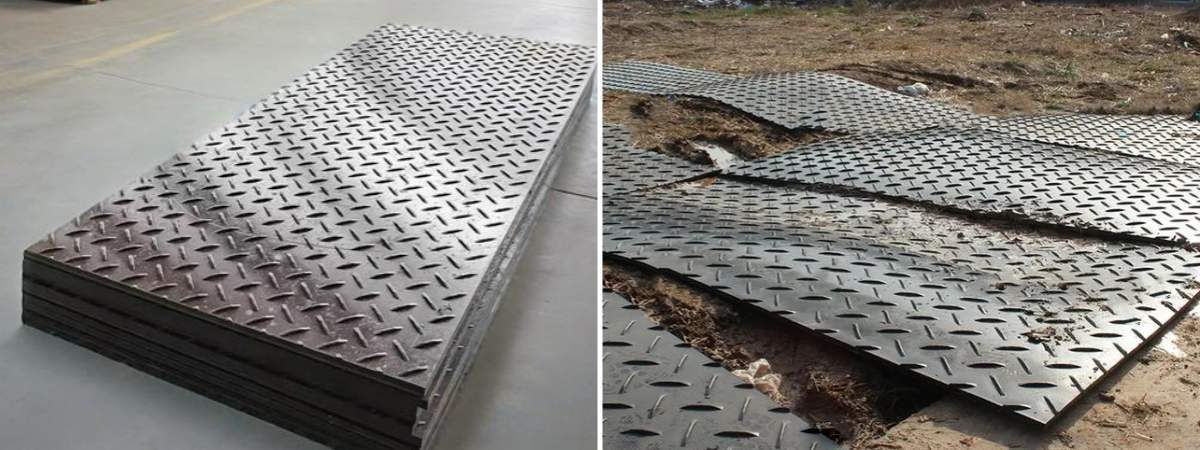
Lightweight in design, these polyethylene mats can be handled and installed by one or a few workers without the need for heavy machinery, allowing for rapid construction of temporary access paths. The mats interlock securely, ensuring stability and preventing misalignment once laid, creating a continuous and reliable temporary roadway. After construction is complete, the mats can be dismantled and transported to other sites for reuse.
Resistant to moisture, rust, and rot, these polyethylene mats are ideal for outdoor environments and suitable for soft-ground sites in infrastructure, municipal, and wind power projects. They eliminate the need for extensive soil reinforcement, reduce earthworks, and balance stable access with protection of the original ground surface, making them a popular choice for temporary roadways on soft-soil sites.
This article was compiled by Henan Jinhang Engineering Plastics Co., Ltd. (www.upeplastic.cn); responsible editor: Jinhang. The company specializes in the R&D and production of anti-slip polyethylene road mats; please cite the source if reposting.




 Low-smoke, self-extinguishing, and flame-retardant UHMWPE liners address critical safety gaps in material handling
 Non-stick and impact-resistant: Polymer wear-resistant liners emerge as the preferred material for industrial and mining linings
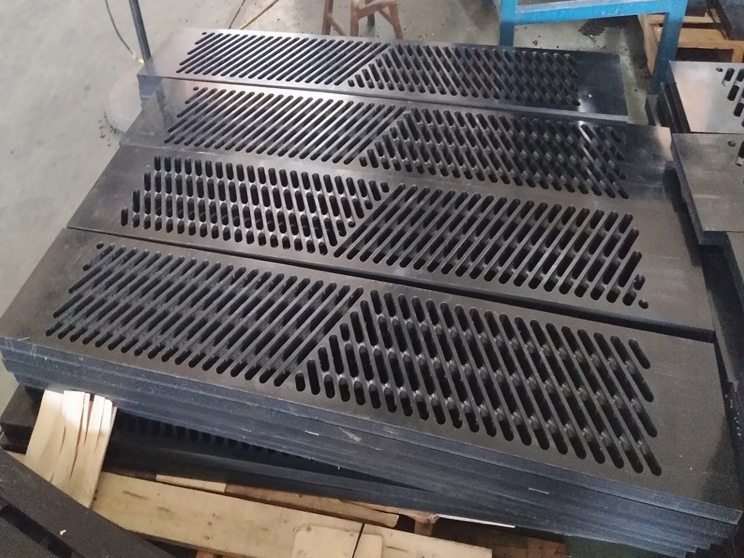
 Vacuum box panel: Sliding support component for vacuum belt dewatering machines
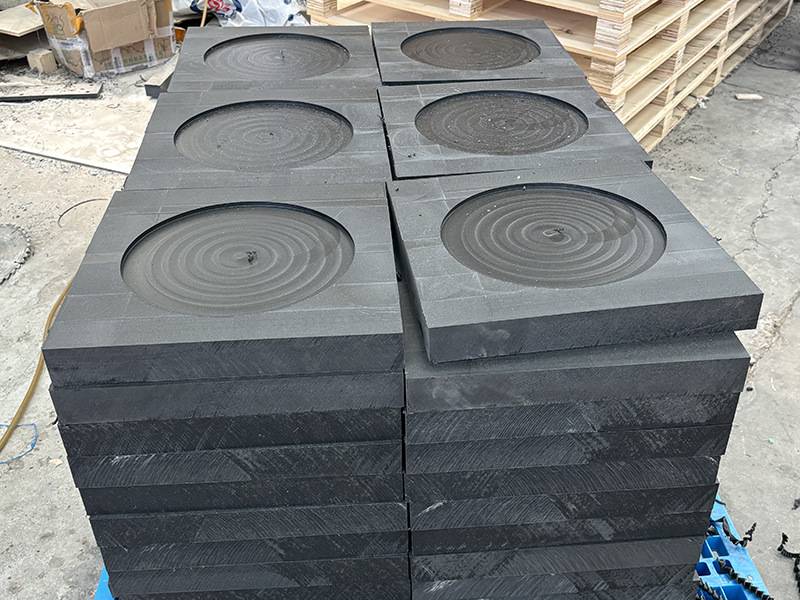
 Polyethylene Outrigger Pads: Reliable Stability for Truck-Mounted Cranes on the Job
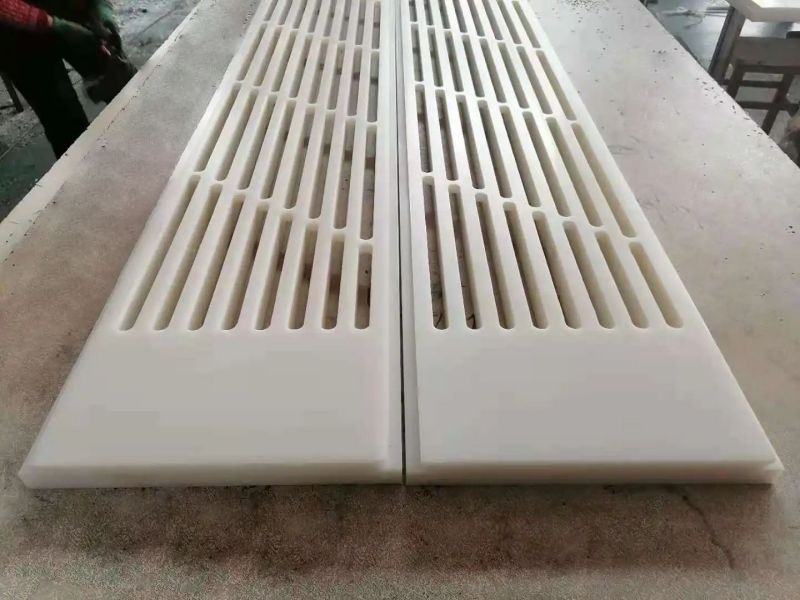
 Polyethylene Vacuum Box Covers for Paper Machines – Wear-Resistant, Energy-Saving Dewatering Components
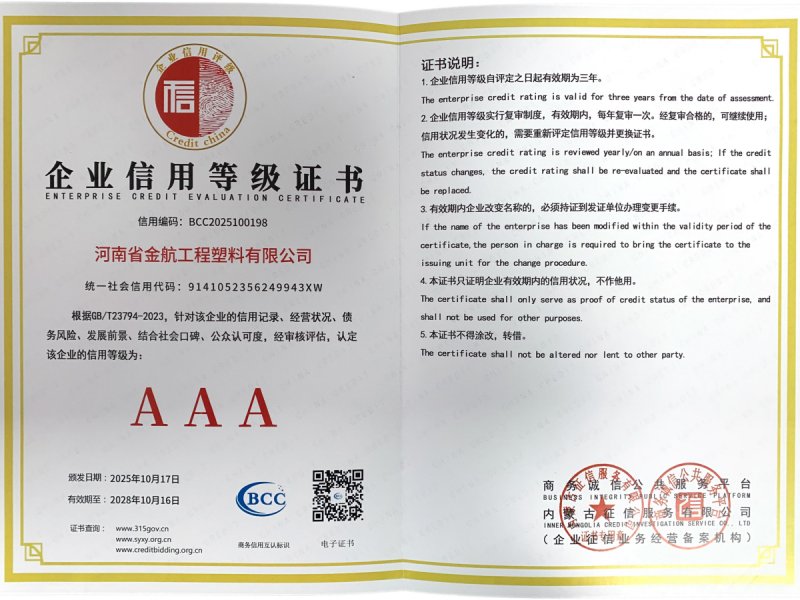
 How many machinery manufacturers have been harmed by "one-size-fits-all" UPE sheet specifications? Henan Jinhang offers AAA-certified, custom-engineered solutions tailored to your specific operating conditions
Chat Online