


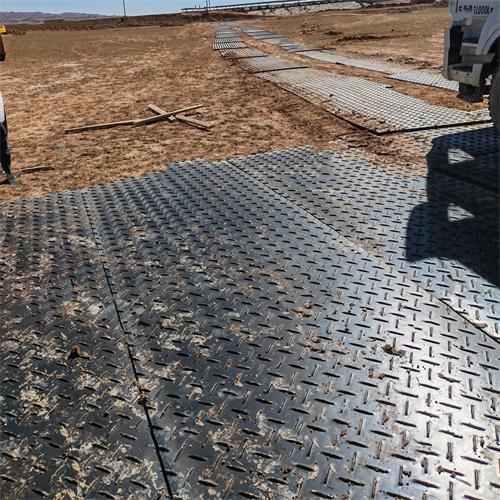
On construction sites, muddy roads have always been a major obstacle hindering progress. During the rainy season or in wet regions, ground soaked by water becomes slippery and difficult to navigate. Heavy-duty vehicles and equipment struggle to move, often getting stuck in the mire. This not only causes project delays but also poses significant safety risks, creating constant headaches for construction crews.
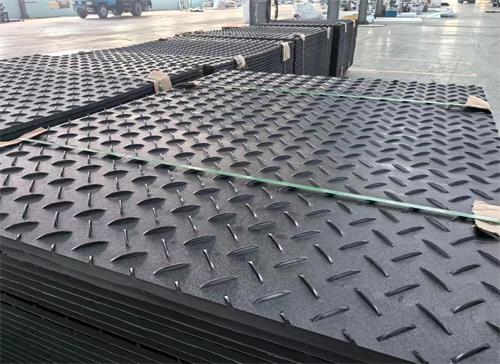
Today, polyethylene road mats made from High-Density Polyethylene (HDPE) are effectively solving this problem. While they may look simple, these mats possess exceptional load-bearing capacity. They provide a stable, solid foundation for traffic, reliably supporting even the repeated passage of heavy vehicles and equipment. Compared to traditional materials like wood or metal, polyethylene mats offer superior wear resistance and durability. They stand up well to the harsh conditions of a worksite, reducing the need for frequent replacements.
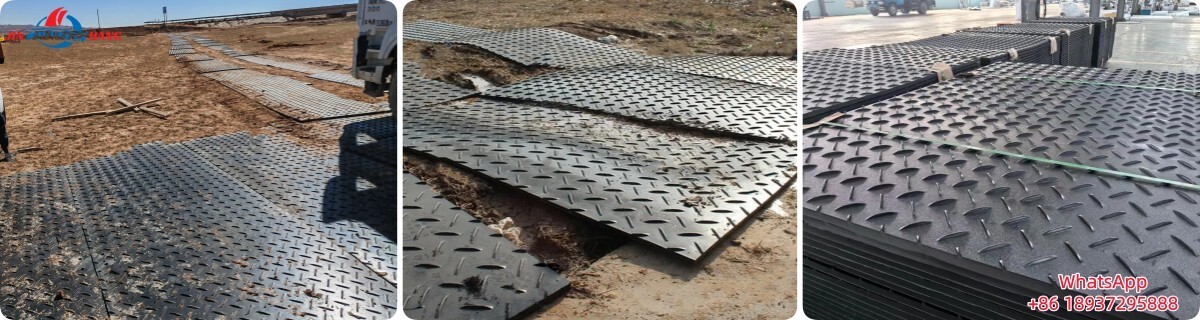
Another significant advantage is their lightweight nature, which makes installation straightforward. Crews can quickly lay down or remove these mats without needing complex machinery, saving considerable time and labor costs while boosting overall productivity. On numerous job sites, these mats have proven their effectiveness, transforming once-impassable muddy sections into clear pathways. This ensures projects stay on schedule and adds a reliable layer of safety, making polyethylene road mats a go-to solution for tackling muddy ground challenges.
This article was edited and compiled by Henan Jinhang Engineering Plastics Co., Ltd. (www.upeplastic.cn). The company specializes in the research, development, and production of polyethylene road mats. Please include this credit when sharing or reprinting.



 How Steel Silos Achieve Smoother Discharge with Polymer Liners
 Upgrading Coal Bunker Linings: Flame-Retardant UPE Sheets Offer Dual Advantages of Wear Resistance and Fire Protection
 Polyethylene Outrigger Pad That Can Be Lifted with One Hand Yet Easily Withstand Dozens of Tons of Outrigger Pressure
 Lightweight Road Paving Materials on the Rise: PE Road Mats Usher in a Wave of Application
 Solving Temporary Construction Challenges: Polyethylene Road Mats Become a New Choice for Temporary Site Paving
 Ultra-high Molecular Weight Polyethylene Liner Solves the Problem of Material Caking in Industrial and Mining Hoppers with Excellent Wear Resistance
Chat Online