


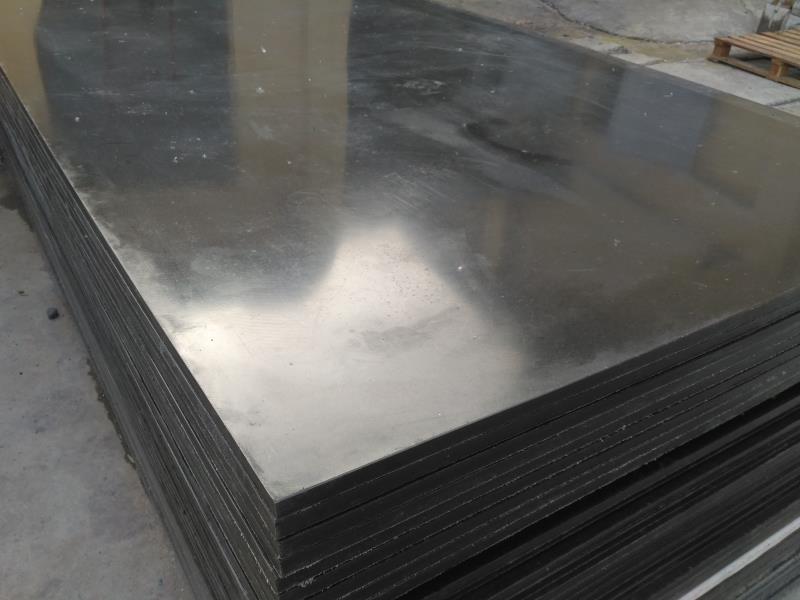
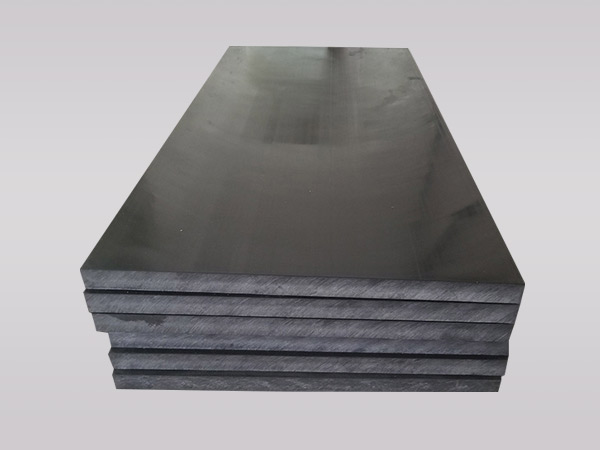
Ultra-high molecular weight polyethylene sheet (UHMWPE sheet) has multiple characteristics such as wear resistance, impact resistance, self-lubrication, and corrosion resistance due to its large molecular weight and special structure. However, different industries and different working conditions have different demands on material performance, and how to "select on demand" becomes the key. The following provides precise selection strategies based on core characteristics and typical application scenarios:
1. Select by wear resistance: Adapt to high friction scenarios
Core characteristics: Wear resistance depends on molecular weight (usually molecular weight ≥ 3 million). The higher the molecular weight, the stronger the wear resistance (7-10 times higher than carbon steel).
Applicable scenarios
1. Mining/metallurgy: hoppers, conveyor belt linings, mine car bottom plates (need to withstand ore friction for a long time).
2. Electricity/chemical industry: coal conveyors, lime silo linings (dust/granular materials with high-frequency impact).
3. Papermaking industry: pulping machines, felt guide roller sleeves (continuous wear of fiber slurry).
Selection points: Prefer plates with a molecular weight of ≥5 million, and the thickness is adjusted according to the load (usually 10-50mm).
Comparative case: After a coal mine replaced the carbon steel lining with UHMWPE plate, the service life was extended from 3 months to 2 years, and the maintenance cost was reduced by 60%.
2. Selection by impact resistance: to cope with strong impact environment
Core characteristics: The impact strength increases with the increase of molecular weight, and the toughness is still maintained at a low temperature of -269℃ (the impact resistance is 5 times that of ABS).
Applicable scenarios
1. Cold chain / deep cold: liquid nitrogen storage tank lining, cold storage shelf pad (resistant to low temperature brittle cracking).
2. Ports / ships: crane sliders, cabin linings (to cope with cargo loading and unloading impact).
3. Machinery manufacturing: high-speed gears, chain guides (buffer mechanical impact).
Selection points: Select plates with a molecular weight of more than 4 million, and additional impact modifiers (such as silane coupling agents) can be added.
3. Select by self-lubrication: Oil-free lubrication scenario
Core characteristics |: The friction coefficient is as low as 0.05-0.11 (lower than the ice surface), and 90% friction resistance can be reduced without lubricating oil.
Applicable scenarios
1. Food/Medicine: Biscuit production line conveyor belt, pharmaceutical machinery guide rail (avoid oil pollution).
2. Textile industry: shuttle, rapier machine parts (low wear requirements under high-speed movement).
3. Agricultural machinery: harvester grain box lining, feed conveyor slide (smooth material transportation).
Selection points: Select a plate with high surface smoothness (roughness Ra≤3.2μm), which can be customized to add molybdenum disulfide (MoS₂) to enhance lubricity. Avoid contact with strong polar solvents (such as concentrated sulfuric acid) to prevent damage to the lubricating layer.
4. Select by corrosion resistance: essential for chemical medium environment
Core characteristics: acid resistance (such as hydrochloric acid, sulfuric acid), alkali resistance (such as sodium hydroxide), salt spray resistance, only soluble in naphthalene solvents.
Applicable scenarios
1. Chemical / Environmental Protection: Pickling tank lining, sewage treatment pool scraper (resistance to acid and alkali corrosion).
2. Marine engineering: Ship sewage pipes, seawater desalination equipment components (resistance to salt spray corrosion).
3. Lithium battery industry: electrolyte tank lining (resistant to highly corrosive electrolyte).
V. Select by weight and strength: balance between lightweight and load-bearing capacity
Core characteristics: density is only 0.93-0.95g/cm³ (about 1/8 of steel), and tensile strength is 30-50MPa.
Applicable scenarios
1. Aerospace: unmanned cabin lining, satellite equipment pad (lightweight demand).
2. Automobile manufacturing: lightweight chassis guard plate, new energy battery box partition (strength and weight reduction).
3. Sports equipment: ski bottom plate, trekking pole accessories (portability and fall resistance).
VI. Selection suggestions for other special scenarios
1. High temperature environment (≤100℃)
Select heat-resistant modified UHMWPE board (add polyethylene wax or antioxidant), which can withstand short-term temperature up to 120℃.
Application: food oven conveyor belt, printing and dyeing machinery guide roller.
2. Sanitary requirements (food/medical)
Must pass FDA/LFGB certification, smooth surface without pores (to prevent bacterial attachment).
Application: meat processing equipment, medical cart pads.
3. Antistatic/conductive scenarios
Add carbon black or carbon fiber to make conductive UHMWPE board (surface resistance ≤10⁶Ω) to prevent dust explosion.
Application: flour mill hopper, electronic component production line tray.
Summary: The essence of ultra-high molecular weight polyethylene board selection is "precise matching of characteristics and needs". By identifying the core challenges in the working conditions (such as wear, corrosion, impact, etc.), and considering the molecular weight, additives, processing technology and other dimensions, you can select the optimal solution. If you need to further refine the selection plan for a certain industry, we can provide specific scenarios and customize the analysis for you!


 How Steel Silos Achieve Smoother Discharge with Polymer Liners
 Upgrading Coal Bunker Linings: Flame-Retardant UPE Sheets Offer Dual Advantages of Wear Resistance and Fire Protection
 Polyethylene Outrigger Pad That Can Be Lifted with One Hand Yet Easily Withstand Dozens of Tons of Outrigger Pressure
 Lightweight Road Paving Materials on the Rise: PE Road Mats Usher in a Wave of Application
 Solving Temporary Construction Challenges: Polyethylene Road Mats Become a New Choice for Temporary Site Paving
 Ultra-high Molecular Weight Polyethylene Liner Solves the Problem of Material Caking in Industrial and Mining Hoppers with Excellent Wear Resistance
Chat Online