


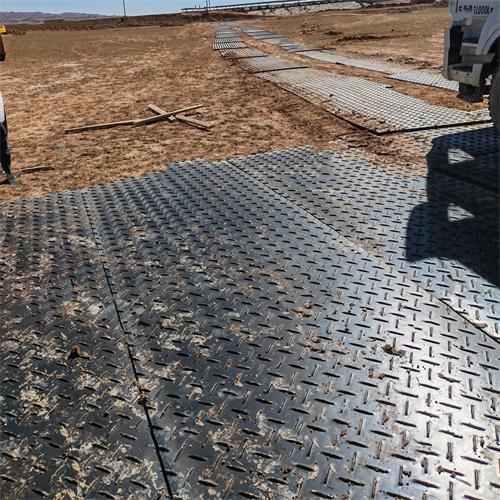
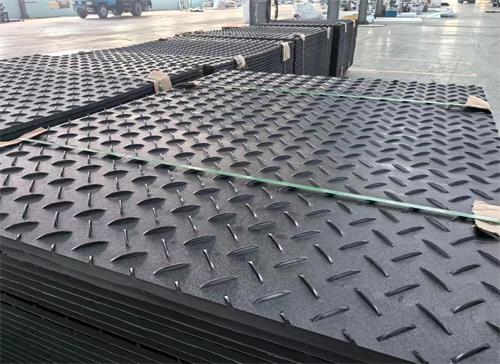
On sites where heavy machinery and large vehicles operate, the stability and safety of the support system are paramount. As a critical component within this system, the performance of outrigger pads directly impacts equipment safety and durability. Among various materials, polyethylene outrigger pads have increasingly become the preferred choice for demanding applications due to their well-rounded properties.
One standout feature of polyethylene outrigger pads is their exceptional durability and wear resistance. As a high-polymer material, its dense and uniform molecular structure effectively withstands degradation from prolonged pressure and friction. Even under frequent heavy loading and repositioning, these pads maintain their structural integrity, providing a persistent and stable base for heavy equipment. This helps prevent ground subsidence and equipment tilting.
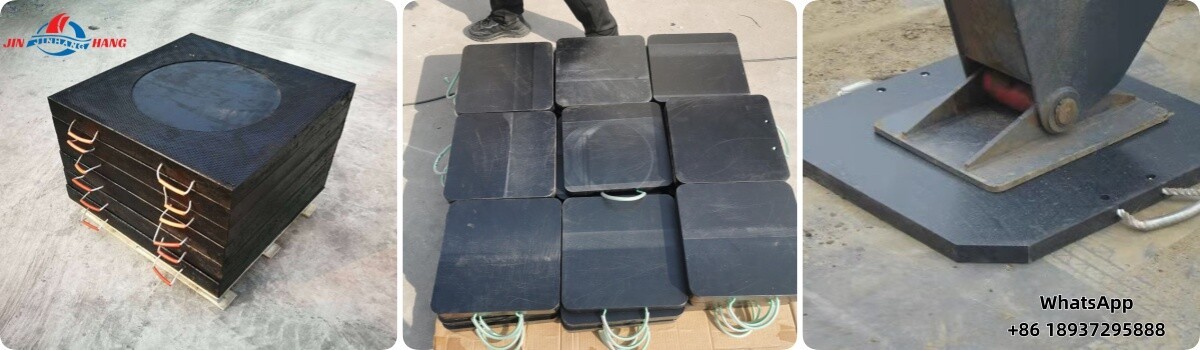
Furthermore, polyethylene outrigger pads demonstrate excellent corrosion and chemical resistance. Polyethylene is inherently chemically stable, offering strong resistance to common corrosive agents like acids, alkalis, and salts. Whether exposed to salt spray in coastal areas or industrial chemicals, these pads remain largely unaffected. This resistance significantly slows the aging process, extending the service life of both the pads and the overall support system.
Combining wear resistance, corrosion resistance, and performance in low-temperature conditions, polyethylene outrigger pads deliver balanced and superior properties. They provide a solid, reliable foundation for various construction machinery and transport vehicles, even in complex and harsh operating environments. More than just a technological advancement, polyethylene outrigger pads silently embody the principle that "safety is paramount." In every corner requiring a stable base, they play an indispensable role.



 How Steel Silos Achieve Smoother Discharge with Polymer Liners
 Upgrading Coal Bunker Linings: Flame-Retardant UPE Sheets Offer Dual Advantages of Wear Resistance and Fire Protection
 Polyethylene Outrigger Pad That Can Be Lifted with One Hand Yet Easily Withstand Dozens of Tons of Outrigger Pressure
 Lightweight Road Paving Materials on the Rise: PE Road Mats Usher in a Wave of Application
 Solving Temporary Construction Challenges: Polyethylene Road Mats Become a New Choice for Temporary Site Paving
 Ultra-high Molecular Weight Polyethylene Liner Solves the Problem of Material Caking in Industrial and Mining Hoppers with Excellent Wear Resistance
Chat Online