


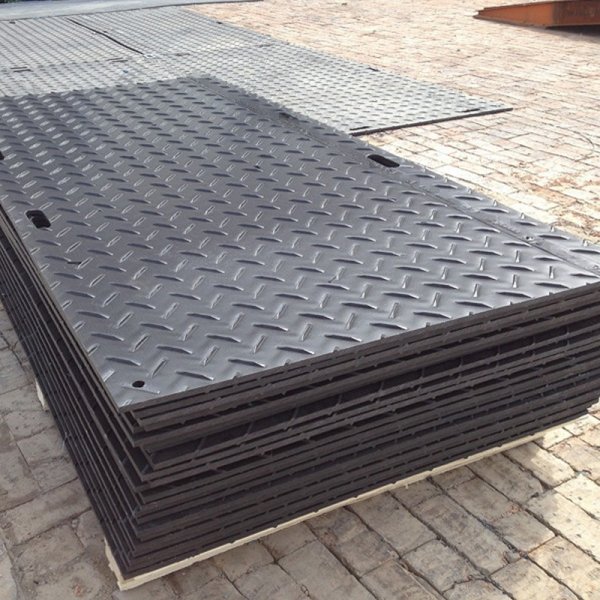
On sites like temporary access roads, construction zones, sports fields, lawns, or muddy and waterlogged areas, challenging ground conditions often pose major risks to both project timelines and safety. Traditional paving materials frequently struggle in these environments, leading to difficult installation, insufficient load-bearing capacity, or short service life. Polyethylene road mats, with their superior properties, are becoming the preferred solution for these scenarios, effectively tackling issues like mud, uneven ground, and soft terrain.
Manufactured from virgin ultra-high molecular weight polyethylene (UHMW-PE), polyethylene road mats combine a range of outstanding features. They are lightweight, enabling quick installation and removal, which significantly boosts work efficiency. Despite their light weight, they offer an impressive load-bearing capacity of up to 280 tons, meeting the demands of heavy equipment and vehicle traffic. Their high resistance to wear, corrosion, and impact ensures long-lasting, stable performance even under harsh weather and ground conditions, extending their service life. Furthermore, the mats are highly flexible, allowing them to adapt to the ground's contours. This design provides effective shock absorption, prevents moisture issues, and eliminates the risk of breaking.
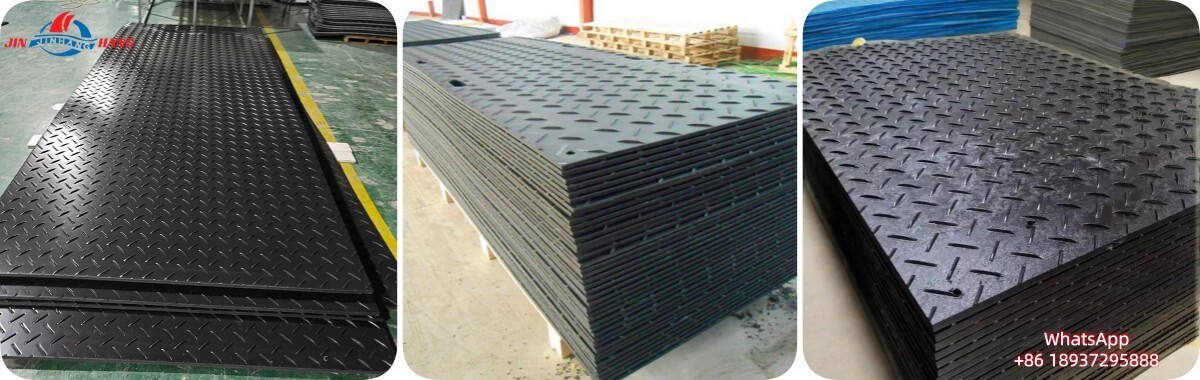
Whether on soft grass, slippery mud, or temporarily built roads, polyethylene road mats handle the challenge with ease. They not only ensure worksite safety and keep projects on schedule but also reduce maintenance costs, providing reliable ground support for various engineering projects and events.
This article was edited and compiled by Henan Jinhang Engineering Plastics Co., Ltd. (www.upeplastic.cn). The company specializes in the research, development, and production of polyethylene road mats. Please include this source notice when sharing.



 Say goodbye to rust and bulkiness: Polyethylene roadbed panels reshape the form of temporary pavements
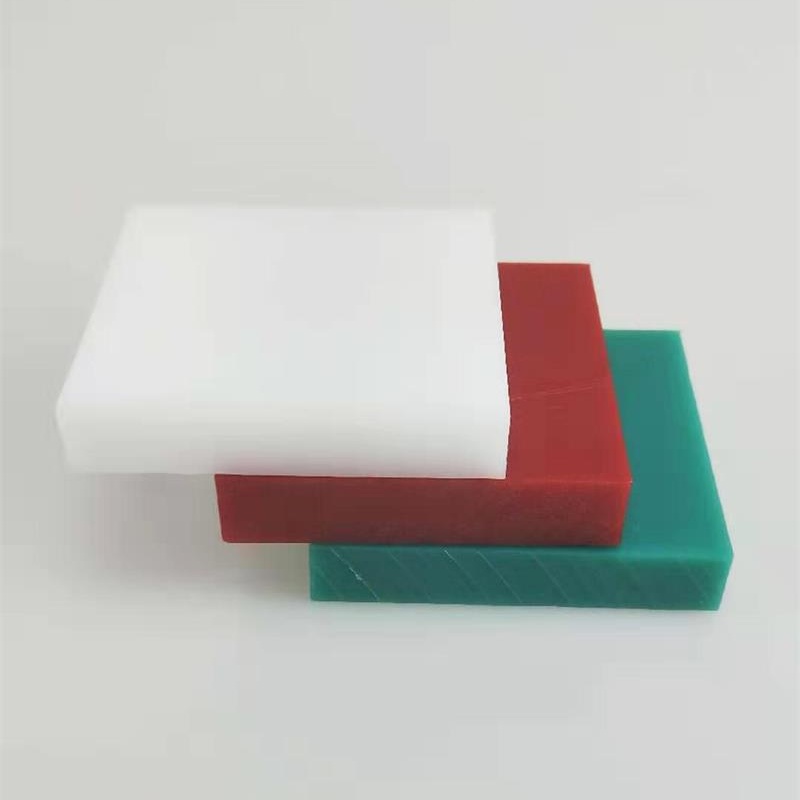
 Sheet Manufacturers: Supporting Industrial Material Upgrades with Technology and Quality") Ultra-High Molecular Weight Polyethylene (UHMWPE) Sheet Manufacturers: Supporting Industrial Material Upgrades with Technology and Quality
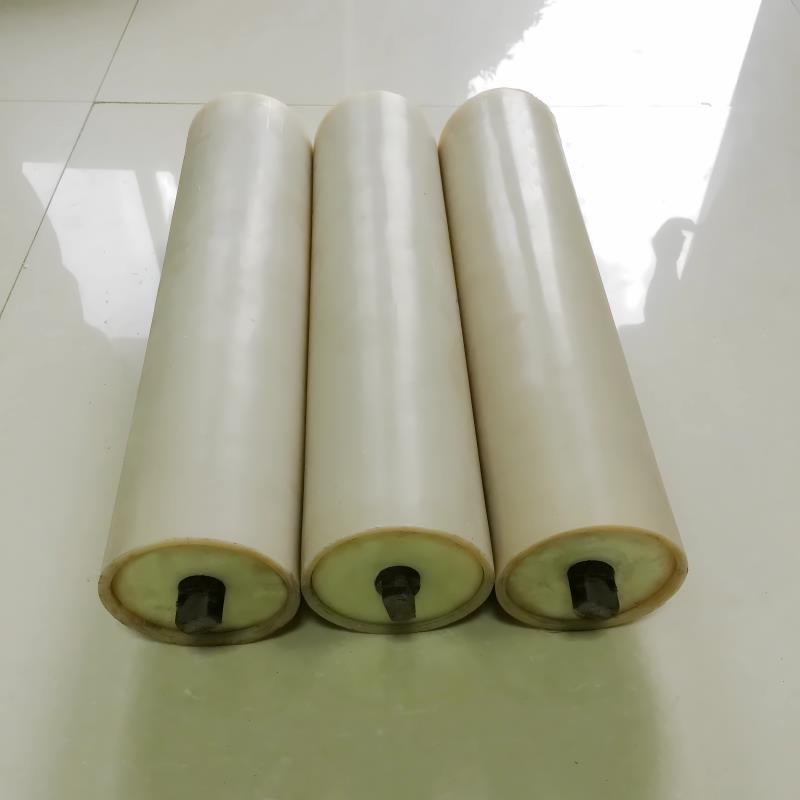
Ultra-High Molecular Weight Polyethylene (UHMWPE) Sheet Manufacturers: Supporting Industrial Material Upgrades with Technology and Quality Adapted to Mining Conditions — Nylon Idlers for Conveyors Boost Efficient Transportation in Coal Washing Plants
 Applications of UHMWPE Sheets in Cement Silo, Mixing Plant, and Fly Ash Silo Linings
 Application of ultra-high molecular weight polyethylene lining in mine bins and hoppers
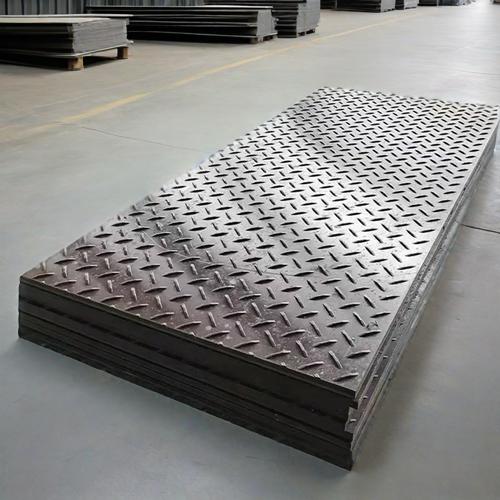
 Polyethylene paving mats: Special mats for temporary roads in coal mines
Chat Online