


Stepping into a slaughterhouse, the drainage ditches in the busy workshops hold a lot of significance. Unlike ordinary places, these areas are constantly damp, covered in oil, and mixed with blood and debris. The choice of drainage covers directly affects workshop hygiene and worker safety, and polyethylene drainage covers are the silent but crucial "practical solution" in slaughterhouses.
Anyone who works in a slaughterhouse knows that older covers were either heavy and difficult to move or prone to rusting and getting dirty. Polyethylene drainage covers are different; they are lightweight, easily moved by a single worker, making cleaning the drains effortless and saving considerable energy. Moreover, they are water- and oil-resistant; even when soaked in blood and cleaning agents for years, they will not rust or deform, and their surface remains clean.
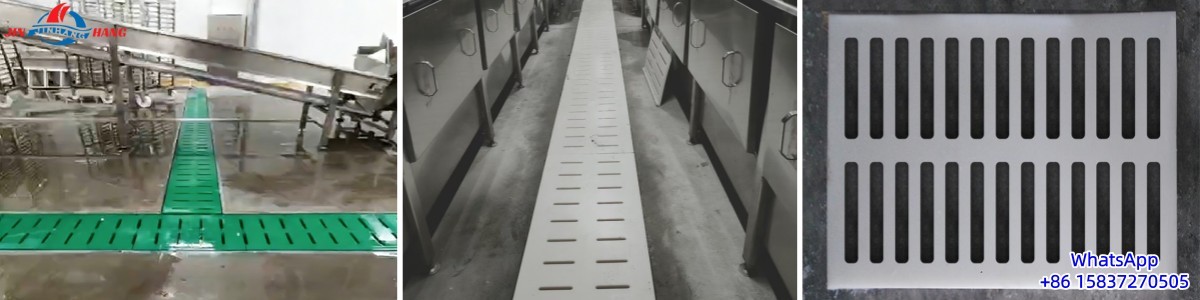
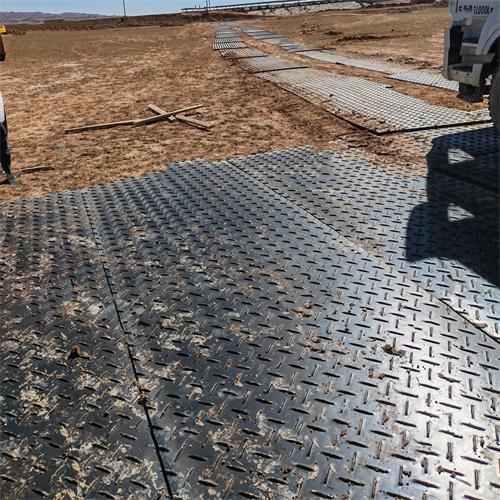
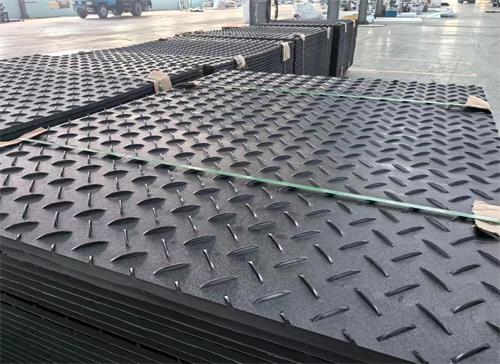
Slippery floors in the workshop are a major concern. The anti-slip texture of the polyethylene drainage cover surface ensures a stable footing even when covered in oil and water, effectively preventing workers from slipping and getting injured. It's also exceptionally easy to clean; a high-pressure water gun is all it takes to remove surface debris and stains, eliminating the need for strenuous scrubbing and meeting the stringent hygiene requirements of slaughterhouses.
Even more remarkably, polyethylene trench covers are durable and robust. They withstand the heavy traffic of handcarts and small transport vehicles in slaughterhouses without cracking or breaking, easily lasting for over ten years. They produce no harsh metallic noise and won't pollute the environment due to rust, quietly adapting to the specific needs of slaughterhouses.
This article was edited and compiled by Henan Jinhang Engineering Plastics Co., Ltd. (www.upeplastic.cn), with Jinhang as the editor. The company specializes in the research and development and production of polyethylene trench covers. Reproduction is welcome, please indicate the source.



 How Steel Silos Achieve Smoother Discharge with Polymer Liners
 Upgrading Coal Bunker Linings: Flame-Retardant UPE Sheets Offer Dual Advantages of Wear Resistance and Fire Protection
 Polyethylene Outrigger Pad That Can Be Lifted with One Hand Yet Easily Withstand Dozens of Tons of Outrigger Pressure
 Lightweight Road Paving Materials on the Rise: PE Road Mats Usher in a Wave of Application
 Solving Temporary Construction Challenges: Polyethylene Road Mats Become a New Choice for Temporary Site Paving
 Ultra-high Molecular Weight Polyethylene Liner Solves the Problem of Material Caking in Industrial and Mining Hoppers with Excellent Wear Resistance
Chat Online