


In the efficient production lines of modern papermaking, the dewatering process is crucial, directly affecting the forming and quality of the paper. And in this critical stage, the seemingly insignificant polyethylene vacuum box cover plays an indispensable role.
Polyethylene vacuum chamber covers effectively withstand the continuous humidity of the papermaking environment, the corrosion of chemical additives, the wear of fiber pulp, and the long-term impact of equipment operation. UHMW-PE vacuum chamber covers, in particular, possess outstanding wear resistance and a low coefficient of friction, while their self-lubricating properties reduce fiber adhesion and dragging. Furthermore, they exhibit strong impact toughness, excellent resistance to acid and alkali corrosion, and low water absorption, preventing dimensional changes caused by water absorption and swelling, thus ensuring long-term stability of dewatering performance.
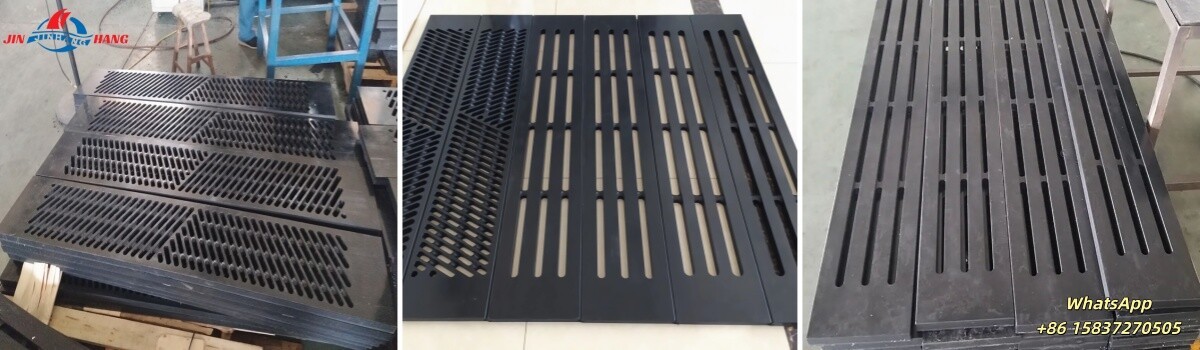
Compared to traditional metal covers, polyethylene vacuum chamber covers are significantly lighter, greatly reducing the labor intensity of installation and maintenance. Their high strength and durability directly translate into a longer service life and fewer downtime replacements, significantly reducing overall maintenance costs. Their lightweight nature also has a positive impact on equipment energy consumption.
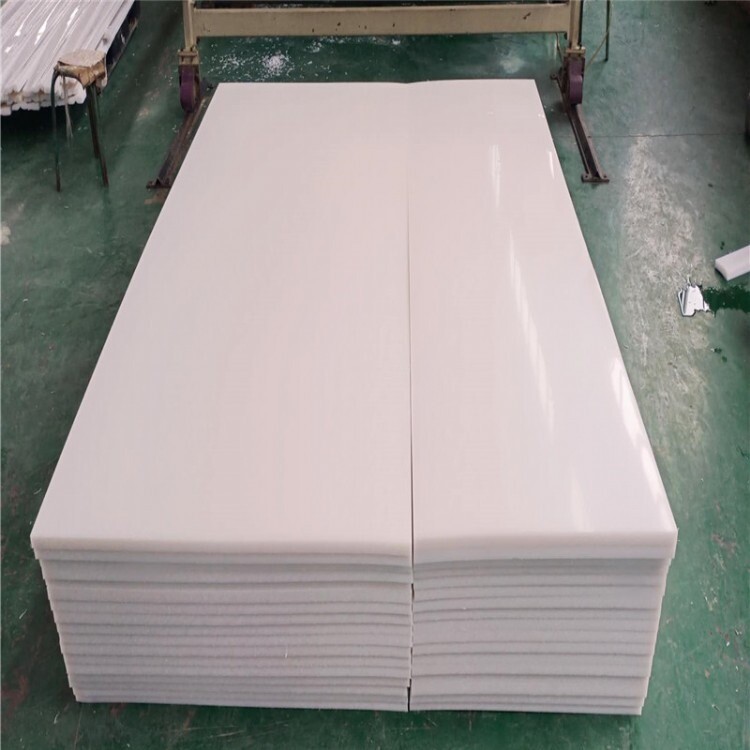
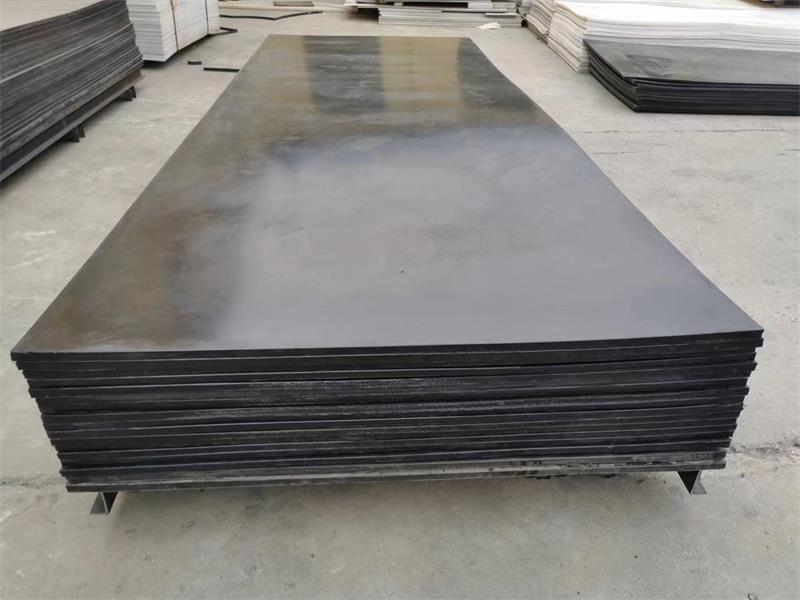
In the market, polyethylene vacuum chamber covers are typically supplied in sheet form, with thicknesses ranging from 10 mm to over 50 mm. They can be cut to fit the specific dimensions of the vacuum chamber and suction chamber of the equipment. Suppliers also offer professional punching or CNC machining services to create covers that meet specific dewatering area, groove layout, and aperture requirements, ensuring a high degree of compatibility with the equipment and optimizing dewatering efficiency and paper quality.
This article was edited and compiled by Henan Jinhang Engineering Plastics Co., Ltd. (www.upeplastic.cn), with Jinhang as the editor. The company specializes in the processing of ultra-high molecular weight polyethylene sheets. Reproduction is welcome, please indicate the source.



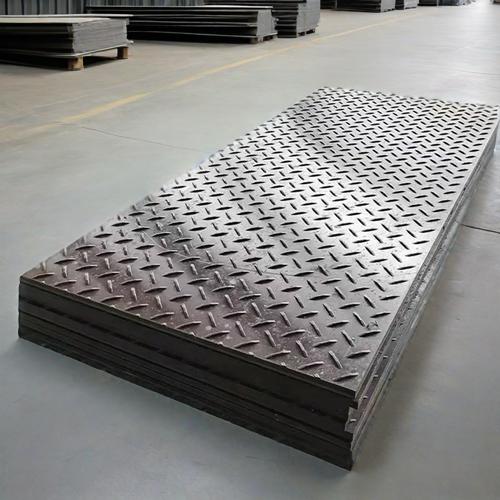
 Say goodbye to rust and bulkiness: Polyethylene roadbed panels reshape the form of temporary pavements
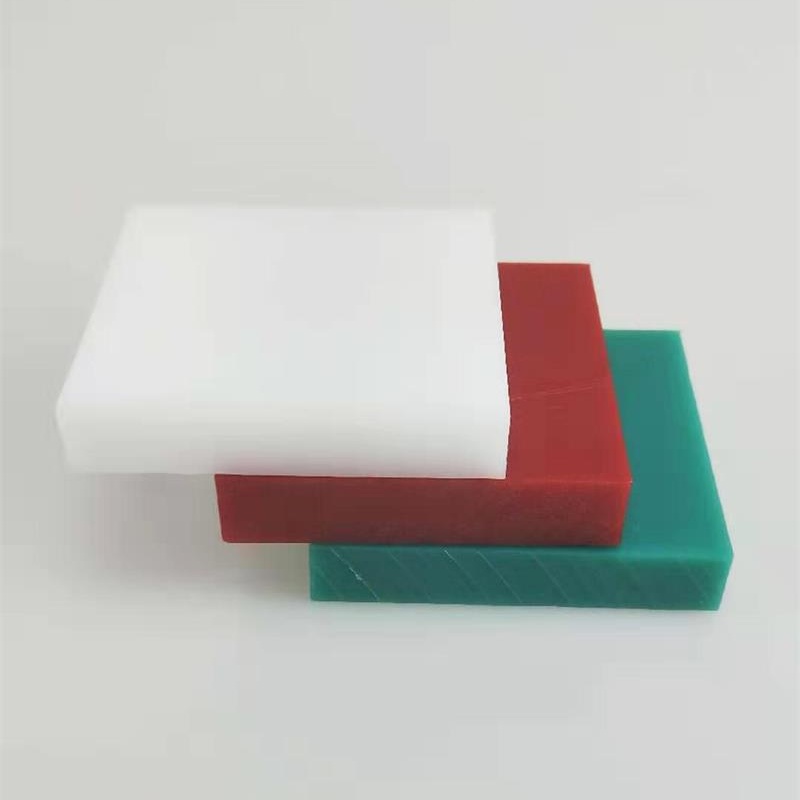
 Sheet Manufacturers: Supporting Industrial Material Upgrades with Technology and Quality") Ultra-High Molecular Weight Polyethylene (UHMWPE) Sheet Manufacturers: Supporting Industrial Material Upgrades with Technology and Quality
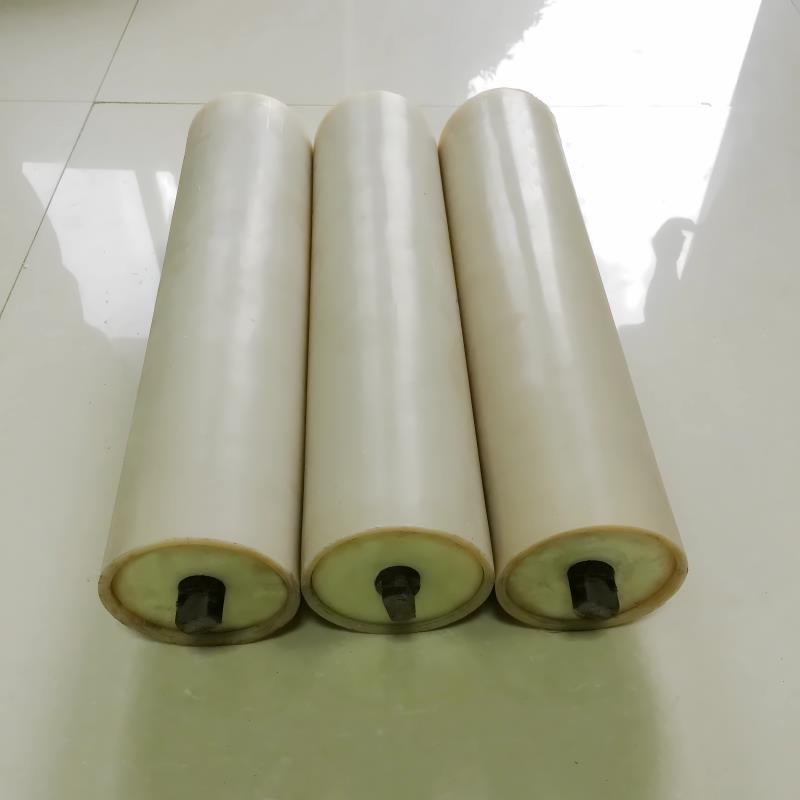
Ultra-High Molecular Weight Polyethylene (UHMWPE) Sheet Manufacturers: Supporting Industrial Material Upgrades with Technology and Quality Adapted to Mining Conditions — Nylon Idlers for Conveyors Boost Efficient Transportation in Coal Washing Plants
 Applications of UHMWPE Sheets in Cement Silo, Mixing Plant, and Fly Ash Silo Linings
 Application of ultra-high molecular weight polyethylene lining in mine bins and hoppers
 Polyethylene paving mats: Special mats for temporary roads in coal mines
Chat Online