


When giant ships dock, the friction and impact forces between the ship and the dock are significant, easily damaging expensive rubber fenders and dock facilities, making maintenance time-consuming and costly. The key to solving this problem lies in an inconspicuous yet outstanding material—ultra-high molecular weight polyethylene fender lining panels, which act like an ultra-wear-resistant "armor" for the port.
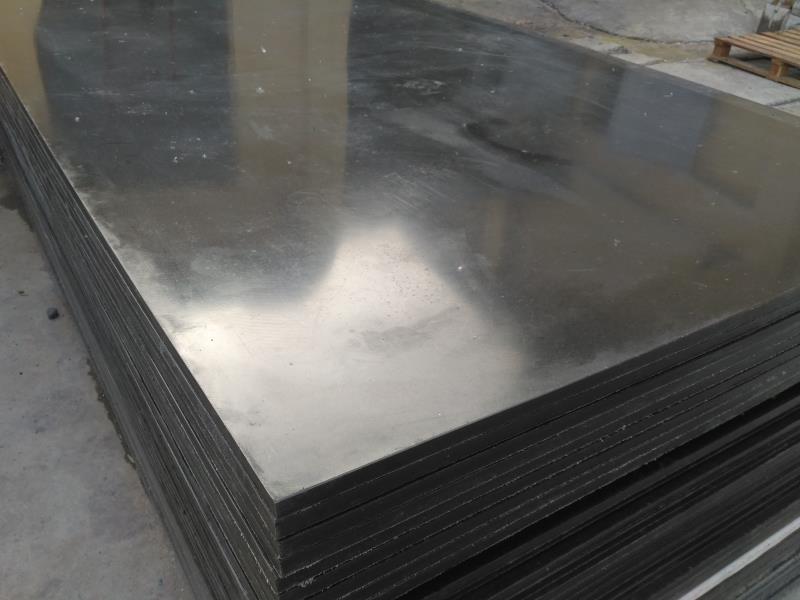
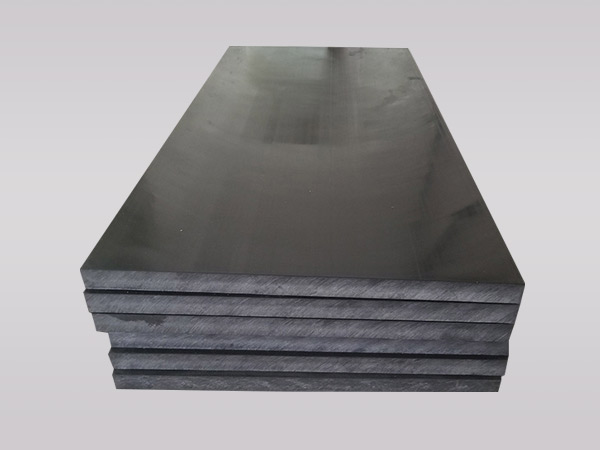
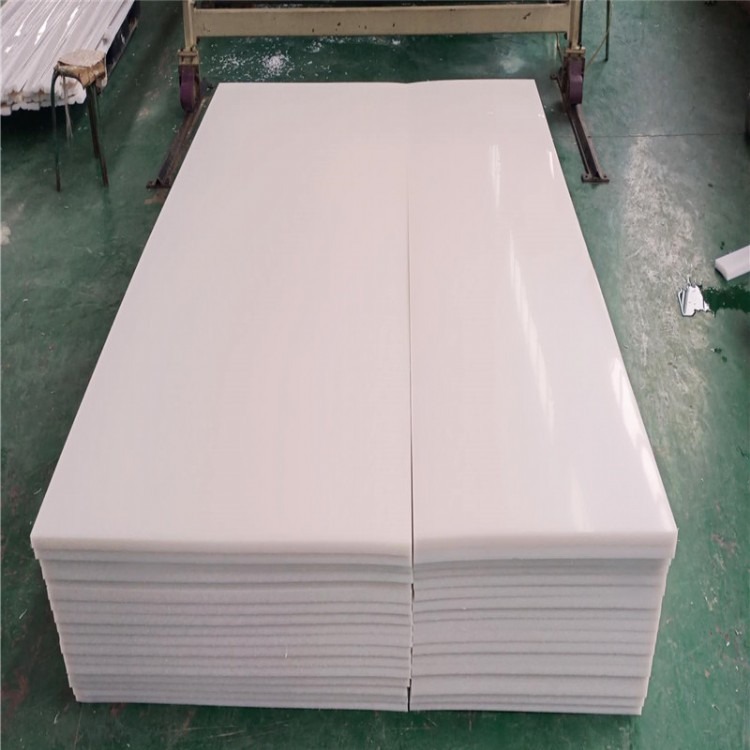
High-molecular-weight polyethylene (HMWPE) fender lining is a high-performance engineering plastic. Its most prominent feature is its "ultra-abrasion resistance," exceeding that of steel by more than seven times. Simultaneously, its surface is exceptionally smooth, like ice, significantly reducing frictional resistance during berthing and unberthing, resulting in smoother maneuvers. It is also corrosion-resistant and impact-resistant, exhibiting excellent performance against seawater erosion and constant daily impacts.
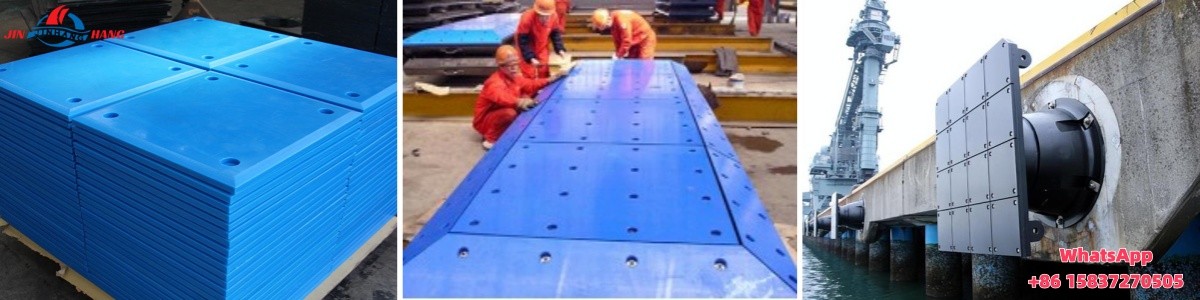
Polyethylene fender lining panels are primarily installed on the surface of rubber fenders, directly exposed to friction and scratches from the ship. This is like putting a sturdy protective coat on the easily worn rubber fenders, preventing them from tearing, cutting, and aging, thus extending the fender's lifespan several times over. Polyethylene fender lining panels are also installed at the dock's edge to protect concrete or steel structures from hull abrasion.
This article was edited and compiled by Henan Jinhang Engineering Plastics Co., Ltd. (www.upeplastic.cn), with Jinhang as the editor. The company specializes in the research and development and production of fender veneer panels. Reproduction is welcome, please indicate the source.



 How Steel Silos Achieve Smoother Discharge with Polymer Liners
 Upgrading Coal Bunker Linings: Flame-Retardant UPE Sheets Offer Dual Advantages of Wear Resistance and Fire Protection
 Polyethylene Outrigger Pad That Can Be Lifted with One Hand Yet Easily Withstand Dozens of Tons of Outrigger Pressure
 Lightweight Road Paving Materials on the Rise: PE Road Mats Usher in a Wave of Application
 Solving Temporary Construction Challenges: Polyethylene Road Mats Become a New Choice for Temporary Site Paving
 Ultra-high Molecular Weight Polyethylene Liner Solves the Problem of Material Caking in Industrial and Mining Hoppers with Excellent Wear Resistance
Chat Online