


Outdoor job sites, remote infrastructure projects, and earthmoving operations often face a common bottleneck: weak ground conditions. Soft mud, backfilled trenches, and waterlogged terrain frequently lack the load-bearing capacity needed for heavy equipment to move safely and efficiently. For many contractors, finding a reliable temporary access solution has become a top priority.
When excavators, cranes, dump trucks, and other 40–50 ton machines make repeated passes over a site, untreated ground quickly rutts, becomes muddy, and loses traction. The result? Delayed schedules, stuck vehicles, tip-over hazards, and mounting costs from downtime and accident-related risks.
Traditionally, construction teams have turned to two stopgap measures: steel plates and crushed stone. Both come with significant drawbacks. Steel plates are extremely rigid, but their sheer weight makes handling, lifting, and repositioning slow and labor-intensive. In wet or icy conditions, the smooth surface becomes dangerously slick—braking heavy vehicles on steel can be unpredictable. Crushed stone is low-cost upfront, but offers poor surface uniformity. Under continuous heavy loading, aggregate sinks into soft subgrades, requiring constant backfilling and regrading. Over time, the cumulative labor and material costs add up quickly.
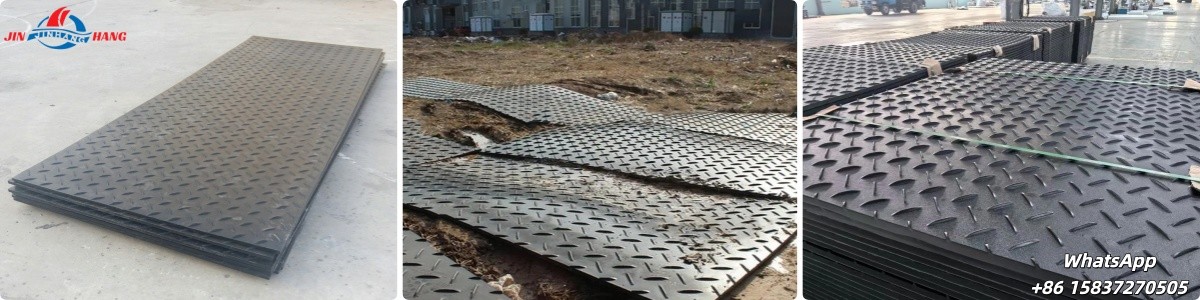
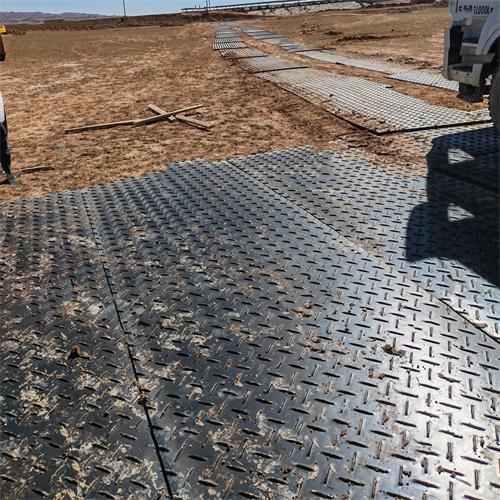
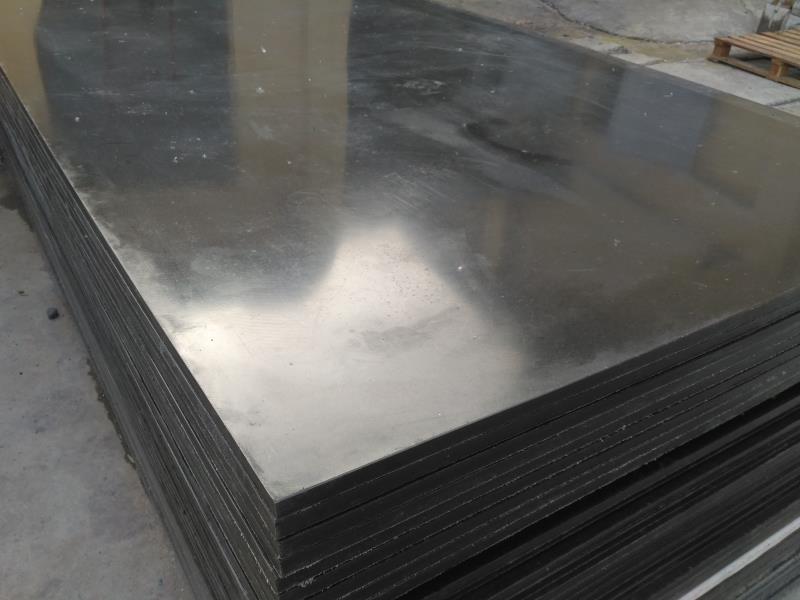
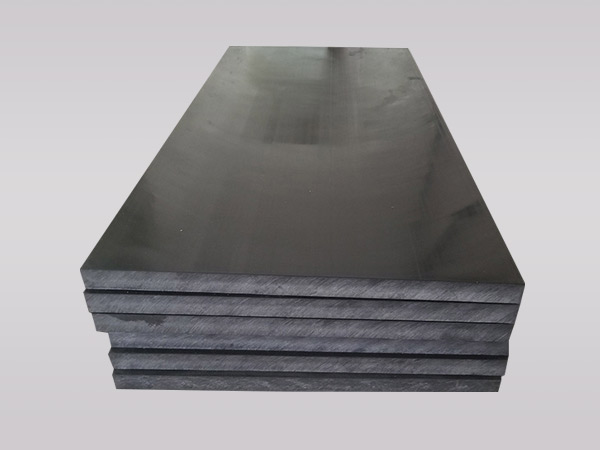
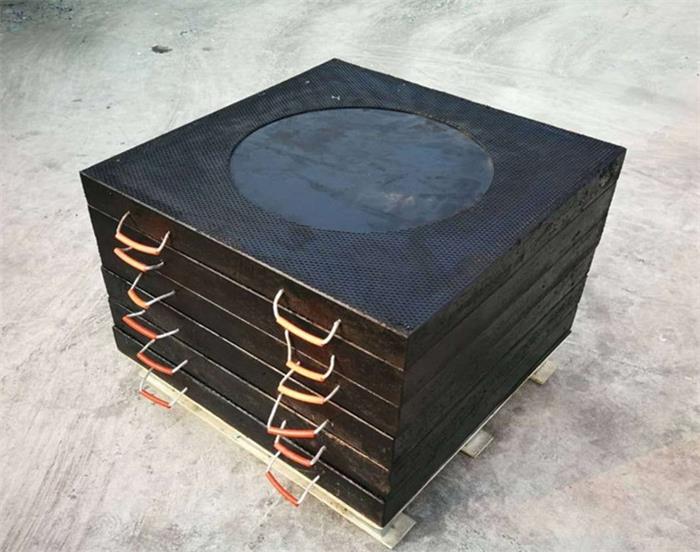
Polyethylene temporary road mats have emerged as a practical, field-proven alternative for heavy-load construction access. Manufactured from high-density polyethylene (HDPE) in a single molded piece, these mats combine flexibility with high compressive strength. They withstand repeated passes by dozens of tons of machinery without cracking, warping, or fracturing—stabilizing the underlying ground and preventing structural failure. The surface features built-in anti-slip texturing, providing reliable traction even on rainy, muddy sites. The material also resists chemical corrosion and performs well in extreme temperatures—from frozen tundra to riverbanks and wet-season job sites—making it a versatile choice for year-round use.
This article was edited and organized by Henan Jinhang Engineering Plastics Co., Ltd. (www.upeplastic.cn). Jinhang specializes in the R&D and production of polyethylene temporary road mats. Feel free to repost with attribution.



 Practical Solution: HDPE Temporary Road Mats for Heavy Machinery Access on Construction Sites
 Flame-Retardant UPE Liner – New Material for Power Coal Conveying Systems to Mitigate Equipment Fire Hazards
 Dumping Difficulties for Dump Trucks? PE Truck Bed Liners Improve Overall Fleet Operational Efficiency
 How Steel Silos Achieve Smoother Discharge with Polymer Liners
 Upgrading Coal Bunker Linings: Flame-Retardant UPE Sheets Offer Dual Advantages of Wear Resistance and Fire Protection
 Polyethylene Outrigger Pad That Can Be Lifted with One Hand Yet Easily Withstand Dozens of Tons of Outrigger Pressure
Chat Online