


Every time a giant ship "shakes hands" with a dock, a seemingly insignificant barrier plays a crucial role. It's the fender panel attached to the dock's fender. As global port facilities rapidly advance towards ultra-large-scale and intelligent facilities, the technological and performance evolution of this crucial interface between ship and shoreline is quietly becoming the cornerstone for improving the safety and efficiency of the entire port operation chain.
When a container ship or bulk carrier weighing hundreds of thousands of tons slowly approaches a pier, its immense kinetic energy continuously tests the dock's structure. Traditional fender systems primarily absorb impact energy. However, if the fender surface in direct contact with the hull is too rough or has an inappropriate coefficient of friction, it can abrade the expensive hull paint and even cause sparks, posing potential risks.
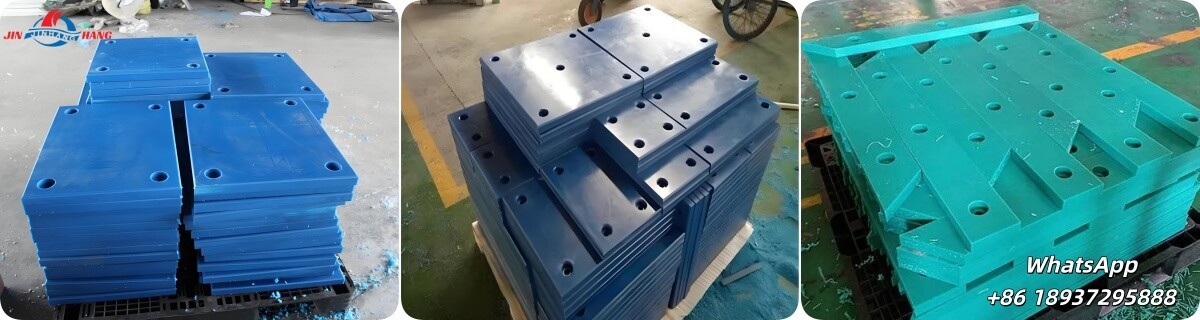
The performance and reliability of fender panels are directly related to the safety window for berthing operations and the subsequent loading and unloading efficiency. On the one hand, their excellent impact resistance and cushioning properties help the main fender more smoothly dissipate the vessel's kinetic energy, enhancing stability during berthing and providing greater operational capabilities in complex sea conditions. On the other hand, by effectively protecting the hull, they avoid delays caused by hull repairs, reducing the economic losses caused by unplanned downtime for both shipowners and ports. This dual guarantee of safety and efficiency makes them an indispensable "standard feature" in modern automated terminals.
This article was edited and compiled by Henan Jinhang Engineering Plastics Co., Ltd. (www.upeplastic.cn). Editor: Jinhang. The company specializes in the research and development and production of fender veneer panels. Reprinting is welcome with attribution.



 How Steel Silos Achieve Smoother Discharge with Polymer Liners
 Upgrading Coal Bunker Linings: Flame-Retardant UPE Sheets Offer Dual Advantages of Wear Resistance and Fire Protection
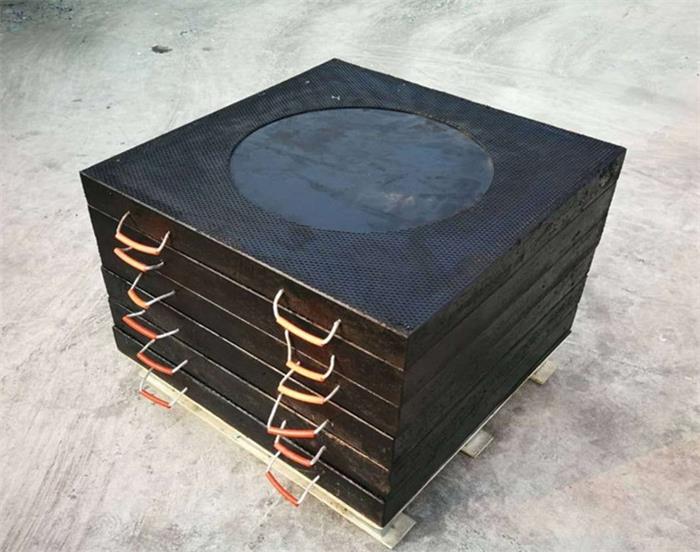
 Polyethylene Outrigger Pad That Can Be Lifted with One Hand Yet Easily Withstand Dozens of Tons of Outrigger Pressure
 Lightweight Road Paving Materials on the Rise: PE Road Mats Usher in a Wave of Application
 Solving Temporary Construction Challenges: Polyethylene Road Mats Become a New Choice for Temporary Site Paving
 Ultra-high Molecular Weight Polyethylene Liner Solves the Problem of Material Caking in Industrial and Mining Hoppers with Excellent Wear Resistance
Chat Online