


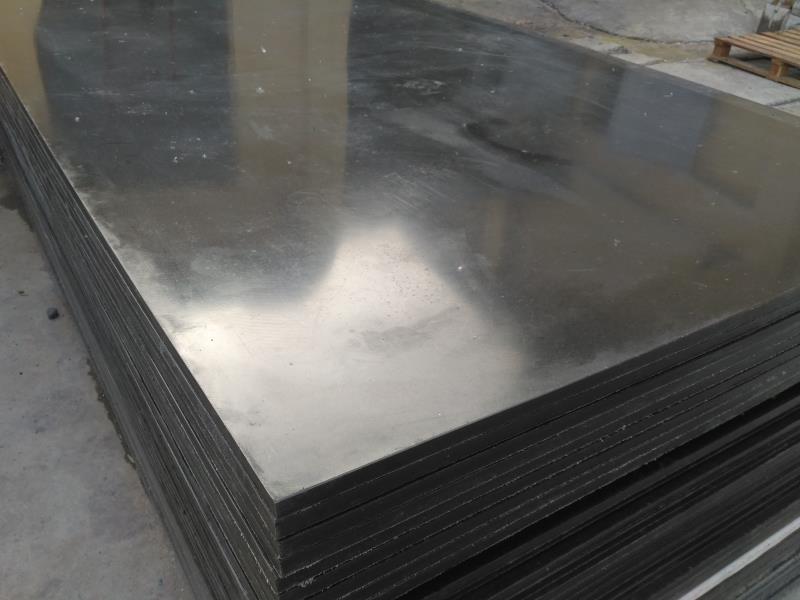
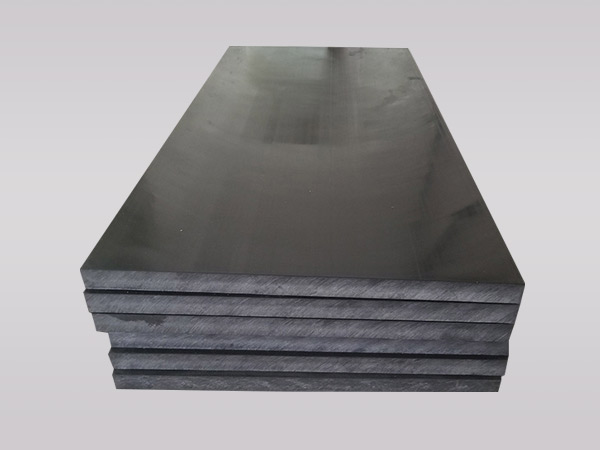
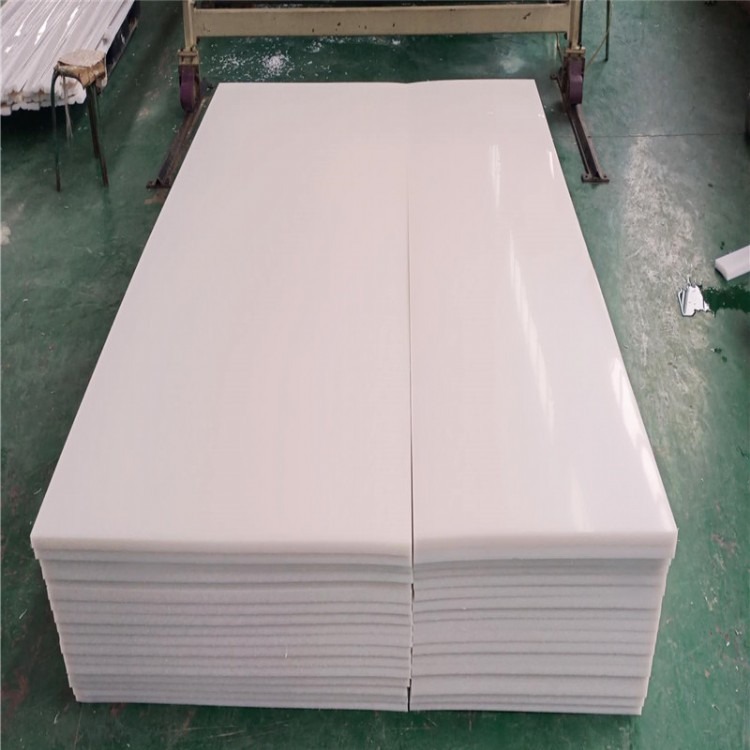
BPE sheets are high-efficiency neutron shielding composite materials specifically designed for the nuclear industry. Using ultra-high molecular weight polyethylene (UHMWPE) as the base material, with uniformly added neutron absorbers such as boron carbide, and molded using a compression molding process, they serve as a safety cornerstone in nuclear power plants and nuclear fuel storage and transportation scenarios thanks to their dual mechanism of "hydrogen moderation + boron absorption."
In nuclear power plants, BPE sheets are the core material for neutron shielding walls. High-energy neutrons generated during reactor operation have strong penetrating power. These sheets slow down fast neutrons into thermal neutrons through hydrogen atoms in the polyethylene matrix, which are then efficiently absorbed by the boron-10 isotope, achieving a shielding efficiency exceeding 95%. This effectively blocks radiation diffusion, ensuring the safety of maintenance personnel and the stability of equipment.
In nuclear fuel storage, they are used as protective linings for nuclear fuel storage racks. During the storage of nuclear fuel assemblies, neutrons are continuously released. Boron-containing BPE sheets can precisely shield neutron radiation, preventing criticality risks. Furthermore, their aging and corrosion resistance allows for long-term stable use in humid environments such as spent fuel pools.
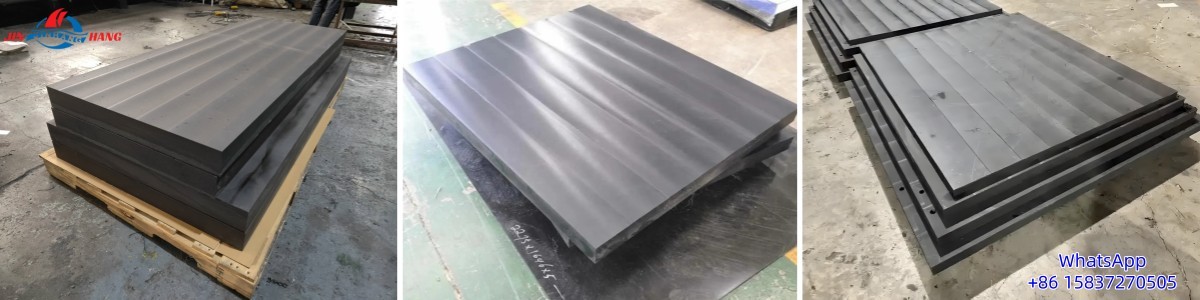
Furthermore, boron-containing polyethylene (BPE) sheets are the preferred material for the lining of nuclear waste transport containers. The nuclear waste transfer process requires strict shielding against neutrons and gamma rays. BPE sheets are lightweight and high-strength, with a density only 1/8 that of lead sheets, facilitating lightweight container design. They can also be cut and drilled to adapt to complex container structures, achieving fully enclosed radiation shielding.
Compared to traditional lead sheets and concrete, BPE sheets offer advantages such as high-efficiency shielding, lightweight safety, and ease of processing. They also eliminate secondary radiation pollution, meeting the full-process protection needs of the nuclear industry and building a solid invisible barrier for the safe use of nuclear energy.
This article was edited and compiled by Henan Jinhang Engineering Plastics Co., Ltd. (www.upeplastic.cn), with Jinhang as the editor. The company focuses on the research and development and production of boron-containing polyethylene sheets. Reproduction is welcome, please indicate the source.



 How Steel Silos Achieve Smoother Discharge with Polymer Liners
 Upgrading Coal Bunker Linings: Flame-Retardant UPE Sheets Offer Dual Advantages of Wear Resistance and Fire Protection
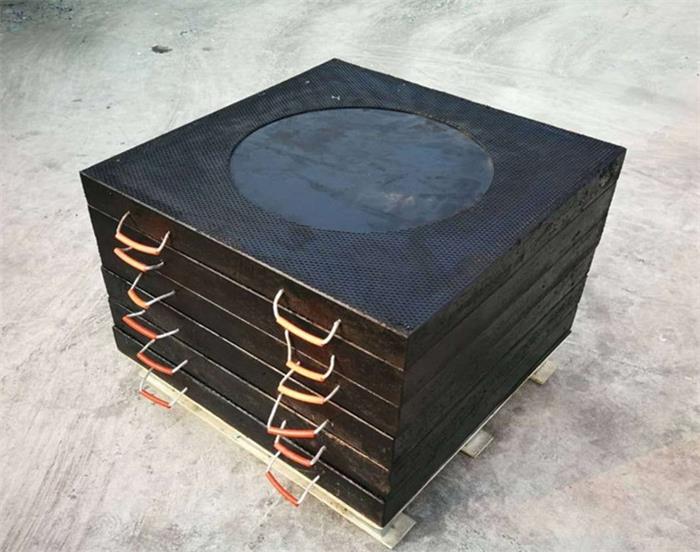
 Polyethylene Outrigger Pad That Can Be Lifted with One Hand Yet Easily Withstand Dozens of Tons of Outrigger Pressure
 Lightweight Road Paving Materials on the Rise: PE Road Mats Usher in a Wave of Application
 Solving Temporary Construction Challenges: Polyethylene Road Mats Become a New Choice for Temporary Site Paving
 Ultra-high Molecular Weight Polyethylene Liner Solves the Problem of Material Caking in Industrial and Mining Hoppers with Excellent Wear Resistance
Chat Online